Pomsky vs Husky: Uncovering the Similarities and Differences
Choosing a dog is a significant decision, one filled with excitement and anticipation. Among the countless options available today, two breeds consistently capture attention and curiosity: the Pomsky and the Husky. While seemingly distinct, their unique characteristics often lead owners and potential pet parents down vastly different paths. Perhaps you’ve heard whispers about the designer Pomsky, a relatively new entrant, or perhaps the enduring popularity of the Siberian Husky intrigues you. Understanding the nuances between these breeds is crucial in finding the perfect companion for your lifestyle.
Origins and Appearance: More Than Just Looks
The Pomsky: A Modern Hybrid
The Pomsky, a relatively recent phenomenon in the canine world, is a crossbreed between a Pomeranian and a Siberian Husky. Its very existence is a testament to the growing trend of designer dogs, where owners seek the combined traits of two popular breeds. The specific lineage can vary significantly, meaning a Pomsky might lean more towards one parent visually and temperamentally than the other. This unpredictability in appearance is one of the breed’s defining characteristics.
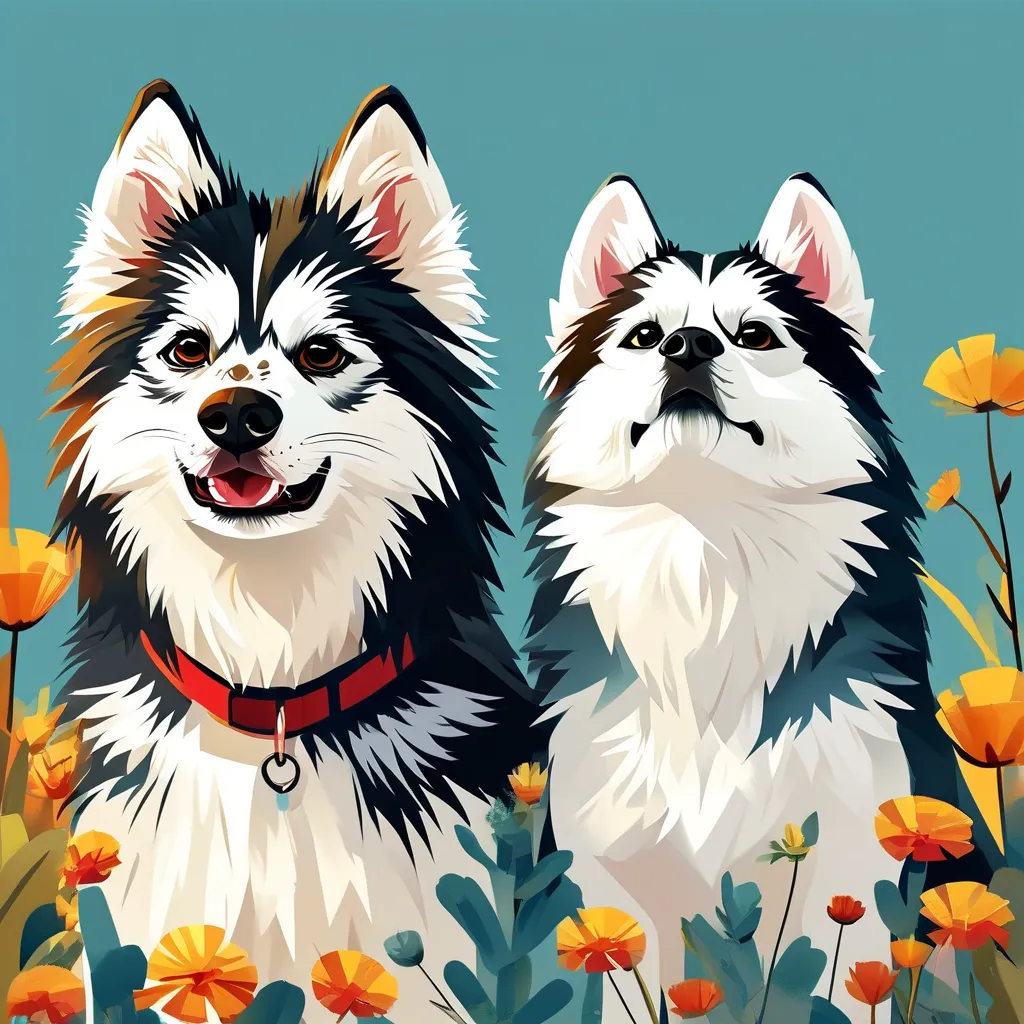
Physically, a Pomsky typically inherits its parent’s small to medium-sized frame, though size can vary considerably depending on the genetic influence. They usually stand between 10 to 17 inches tall at the shoulder and weigh anywhere from 10 to 30 pounds, making them smaller and lighter than many Huskies. Their coat is a prominent feature, usually a mix of the Pomeranian’s fluffy, double coat and the Husky’s thicker fur. Colors can range widely, often including white, grey, black, brown, and cream, sometimes with striking markings. Regular grooming is essential for maintaining the Pomsky’s coat health, as they are prone to shedding and may require brushing several times a week, especially during peak shedding seasons.
The Husky: An Ancient Working Wonder
In stark contrast to the Pomsky’s relatively recent creation, the Siberian Husky is a breed with ancient roots, originating from the harsh, cold climates of Northeast Asia, specifically Russia and Siberia. Bred by the Chukchi people for sledding, Huskies are descendants of the Taymyr wolf, which contributes to their wolf-like appearance and independent nature. This working background is evident in their physicality and temperament.
Siberian Huskies are generally larger and more robust than most Pomskies. They typically reach heights of 20 inches or more at the shoulder for males and around 19 inches for females, and they usually weigh between 35 to 60 pounds. Their bodies are compact and powerful, built for endurance. Their coat consists of a dense undercoat and a coarse outer coat, providing excellent insulation against extreme cold. Huskies are known for their unique blue or heterochromatic (two different colored) eyes, a trait inherited from their wolf ancestors. Their coloration is also diverse, often including black, white, grey, red, and brindle, frequently in combinations. While shedding is significant, especially during heavy seasons, their coat requires less frequent grooming than a Pomsky’s, though regular brushing is still recommended.
Temperament and Energy Levels: Personality Profiles
The Pomsky: A Blend of Charms
The Pomsky’s temperament is perhaps its most unpredictable aspect, largely due to its mixed lineage. Depending heavily on the specific genetics inherited, a Pomsky can display traits ranging from the alertness and sometimes feistiness of a Pomeranian to the laid-back, friendly, and sometimes lazy nature of a Husky.
Generally, Pomskies are known for being intelligent, playful, and affectionate companions. They often inherit the Husky’s eagerness to please and a moderate energy level, but the Pomeranian influence can bring bursts of high energy and a protective streak. Training requires patience and positive reinforcement, as these dogs can be mischievous if not properly engaged. Socialization from a young age is crucial to ensure they get along well with children, other pets, and strangers. While generally good-natured, their small size means they aren’t typically suited for guarding large properties or guarding potential threats. Pomskies thrive on human companionship and can suffer from separation anxiety if left alone for long periods. Their vocal nature, capable of whining, barking, or howling, should also be considered.
The Husky: Friendly but Independent
Siberian Huskies possess a distinct personality that sets them apart. Known for being friendly, outgoing, and social, Huskies often greet strangers warmly, sometimes even enthusiastically. This makes them generally good-natured towards guests, though their independent and sometimes stubborn streak can be a challenge for novice owners. Their intelligence is high, but their motivation is often self-serving; they might perform a task for the fun of it rather than solely for praise. What’s the Real Cost of a Pomsky? A Detailed Guide to Pomsky Pricing
One of the most notable Husky traits is their “jobbery” – their tendency to decide for themselves whether or not to complete a task. This requires a patient and consistent owner. While generally good with children, their high energy level means supervision is necessary to prevent boisterous behavior that could accidentally hurt smaller kids. Huskies are famously pack animals and can get along with other pets if properly introduced, but they have a strong prey drive inherited from their wolf ancestry, which necessitates careful management, especially around smaller animals like cats or rabbits. Newborn Pomsky Informational Guide: Essential Tips for First-Time Owners
 How to Know If Your Pomsky Will Get Bigger: An Informational Guide to Size Prediction
Health, Exercise, and Maintenance: Practical Considerations
The Pomsky: Designer Breed Considerations
As a mixed breed, particularly a relatively new one, Pomskies do not have a standardized breed standard or universally accepted health screening protocols. However, they are susceptible to health issues common to their parent breeds: Pomeranians and Huskies.
Pomeranian influences might include patellar luxation (knee dislocation), luxating elbows, Legg-Calve-Perthes disease (a hip disorder), and eye problems like Progressive Retinal Atrophy (PRA). Husky influences could bring a predisposition to hip dysplasia, certain eye diseases (like cataracts), and potentially a higher risk of certain cardiac issues. Responsible breeding practices are vital to minimize these risks. Pomskies generally have a moderate exercise requirement, reflecting their mixed energy levels. Daily walks and access to a secure area to run are usually sufficient, but individual energy levels will vary. Their coat demands significant grooming attention to prevent matting and shedding. Their lifespan typically ranges from 12 to 15 years.
The Husky: The Working Breed Needs
Siberian Huskies are generally hardy and robust dogs, known for their ability to withstand harsh conditions. However, like all breeds, they have potential health concerns. Hip dysplasia and certain eye diseases (like cataracts or Collie Eye Anomaly) are common issues addressed through responsible breeding and health screening. Huskies also have a unique metabolic quirk; they often require a low-grain diet, and grain-free foods are commonly recommended. Their energy levels are typically high, driven by their working heritage. They need substantial daily exercise, not just for physical health but also to burn off mental energy and prevent destructive behavior. Long walks, jogging, hiking, and even dog sledding are excellent outlets for their stamina. Their coat requires less frequent grooming than a Pomsky’s, but regular brushing is still necessary to manage shedding and prevent mats. Huskies can typically live between 10 and 12 years.
Living Environment and Suitability
Pomsky Considerations
Due to their smaller size compared to Huskies, Pomskies can adapt well to various living situations, including apartments or smaller homes, provided they receive adequate exercise and mental stimulation. Their moderate energy level makes them less demanding than a Husky in terms of space, although they still need regular walks and playtime.
Their vocal nature and potential for alertness mean they can be good watchdogs, but they are unlikely to deter determined intruders due to their small size and potentially friendly demeanor. They generally get along well with families with older children and other pets if properly socialized. Their grooming needs require a commitment to regular brushing and potentially professional grooming sessions.
Husky Considerations
Siberian Huskies require more space than most apartment living can comfortably accommodate. Their high energy level and need for daily, often vigorous exercise make them better suited for homes with yards and access to open areas. They thrive in active households where their need for companionship and physical activity can be met.
Their strong prey drive means careful introduction and supervision around smaller pets is necessary. Their vocalizations can also be a factor in certain neighborhoods. While adaptable, they truly shine in homes where they can participate in active outdoor pursuits. Their larger size also means they can be more dominant or intimidating, requiring consistent leadership from their owners.
The Verdict: Which Breed is Right for You?
Deciding between a Pomsky and a Husky ultimately hinges on your specific lifestyle