Newborn Pomsky Informational Guide: Essential Tips for First-Time Owners
That irresistible tilt of the head, the curious puppy gaze, and the promise of a small yet spirited companion – it’s a feeling every dog lover understands. If you’ve recently welcomed a newborn Pomsky into your home or are contemplating it, you’re embarking on an incredibly rewarding journey. This designer breed, a captivating blend of Pomeranian and Siberian Husky, brings unique charm and energy to families and individuals alike. However, the term “designer dog” can sometimes be misleading, and owning a newborn Pomsky requires specific knowledge and preparation.
Understanding Your Unique Newborn Companion
The very name “Pomsky” sparks curiosity. It’s a relatively new breed, intentionally created by breeders aiming to produce a dog that retains the fluffy coat and lively personality of a Pomeranian but combines it with the expressive eyes and potential stamina of a Siberian Husky. This mix results in a breed known for its striking appearance and, crucially, its tendency to retain a “puppy-like” look and demeanor well into adulthood. This characteristic is one of the primary reasons the newborn Pomsky is so appealing to first-time owners – they often possess an endearing, naive energy that makes training and socialization feel more manageable.
Breed Characteristics at a Glance
While individual personalities vary greatly, understanding the general traits of a Pomsky helps set expectations, especially during the demanding newborn phase:
- Mix of Two Breeds: Expect a blend of Pomeranian alertness and Husky independence. They are intelligent but can have strong wills.
- Size Matters: Pomskies are generally small, typically weighing between 7 to 20 pounds and standing 9 to 14 inches tall. This compact size makes them adaptable to various living situations.
- The Puppy-Like Appearance: Breeders selected for this trait, aiming for floppy ears, expressive eyes, and an overall youthful look. This often correlates with a playful, sometimes mischievous, puppy personality that persists longer than in many breeds.
- Energy Levels: While not as hyper as some terriers, Pomskies inherit Husky energy. They require regular physical and mental stimulation to prevent boredom and destructive behavior. This is especially crucial during the newborn period as they develop their motor skills and energy reserves.
- Temperament: Generally known for being affectionate, loyal, alert, and good with families. Their Husky lineage can mean they are vocal (barking, howling), and they might retain a bit of the sled dog wanderlust in their DNA, making secure fencing essential.
It’s important to remember that the Pomsky is a relatively new breed. While generally considered healthy, long-term predispositions haven’t been fully established through decades of breeding data. Always acquire your newborn Pomsky from a reputable breeder who performs health clearances on the parent dogs.
Essential Care for Your Newborn Pomsky
Caring for a newborn Pomsky requires attention to detail, much like caring for a human infant. Their tiny world is entirely dependent on you during the first few weeks.
The First Few Weeks: A Critical Period
Just like human babies, a newborn Pomsky relies completely on their mother and human caregivers for warmth, nourishment, and stimulation. If you are bringing home a newborn Pomsky from a breeder, they should already be weaned and possibly house-trained to some extent, but they will still be very young and vulnerable.
Feeding: Nutrition is paramount. Puppies, especially small breeds like the Pomsky, need frequent, balanced meals. Consult the breeder for specific puppy food recommendations appropriate for mixed breeds. Avoid free-feeding; stick to a schedule to prevent digestive upset. Ensure fresh water is always available. What Size Will Your Pomsky Be? A Guide to Their Average Weight
Warmth: Newborn Poms cannot regulate their body temperature well. Provide a warm, cozy sleeping area, perhaps using a heating pad set on low under half of the whelping box or a dedicated puppy bed with blankets. Maintain the room temperature between 85-90°F (30-32°C), gradually decreasing it as they grow. Avoid direct heat sources like hot water bottles (risk of burns) or heating lamps (risk of burns or dehydration).
Hygiene: Gentle cleaning is needed. Wipe their paws after walks (especially on grass or mud), and if they get dirty, use pet-safe wipes or a damp cloth. Their eyes and nose might need wiping if they get crusty, but avoid over-washing their skin as their coats are delicate. Nail trimming might be necessary once their claws are large enough, but be very careful with their pink “pinky” nails as they are sensitive.
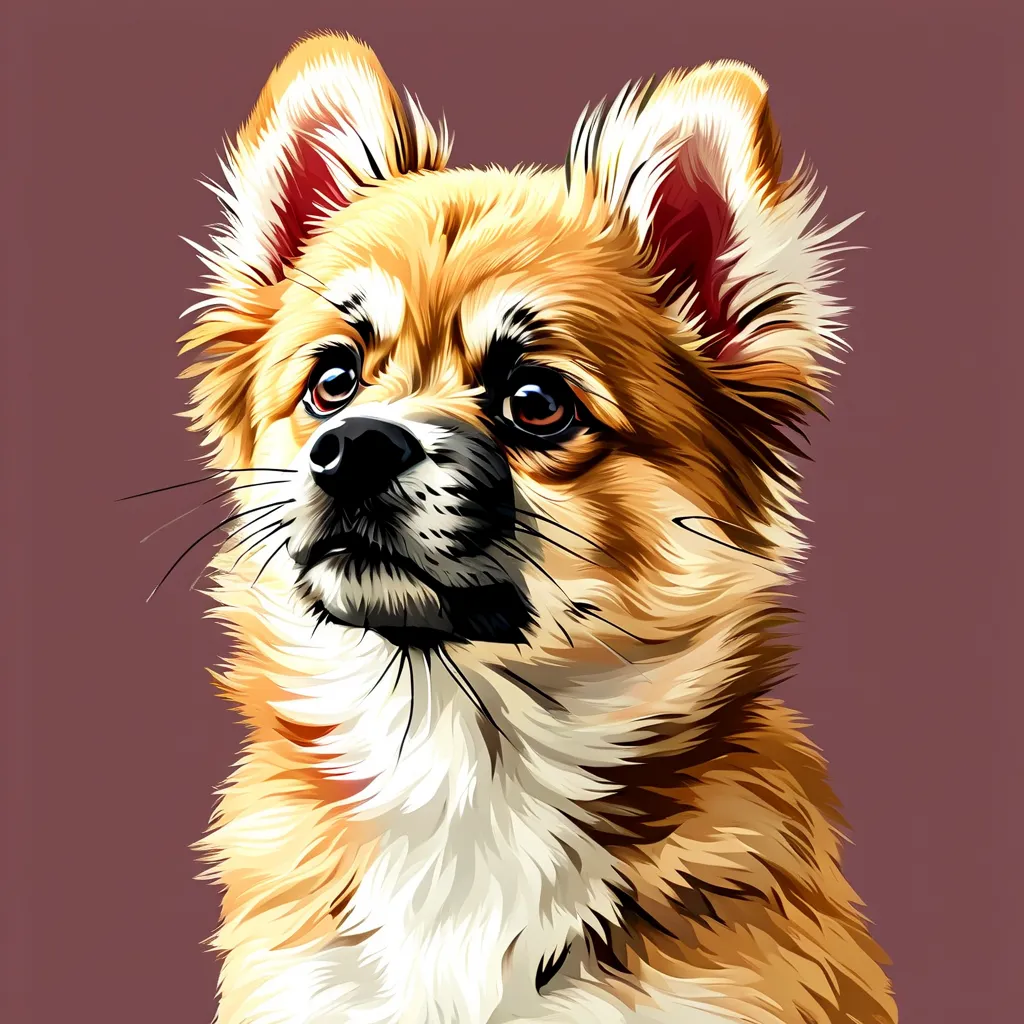 **Explore Adorable Pomsky Puppy Images: Your Ultimate Visual Guide** Discover Pomsky Puppies Pictures: Adorable Gallery & Info
Creating a Safe and Comfortable Environment
As your newborn Pomsky grows, creating a safe space is essential:
- Designated Area: Start with a small, puppy-proofed space containing their bed, food bowl, water bowl, and toys. This prevents overwhelming them and helps them feel secure.
- Childgate Installation: If you have stairs or areas you don’t want them accessing, install child gates immediately.
- Toxic-Free Home: Keep all potentially harmful substances out of reach – cleaning supplies, antifreeze, chocolate, grapes, onions, etc. Use pet-safe products whenever possible.
- Appropriate Chew Toys: Chewing is natural for puppies, including newborn Poms. Provide durable, appropriate chew toys to redirect this behavior away from furniture or shoes.
- Secure Fencing: Given their Husky lineage, high-quality, secure fencing is non-negotiable. They are intelligent and can find ways under or over flimsy barriers.
Raising a Responsible Pomsky: Training and Socialization
Training a newborn Pomsky is a process of building foundations. Their intelligence means they can learn quickly, but their independent streak requires patience and positive reinforcement.
Basic Obedience Starts Early
Even at a young age, socialization and basic training are vital for a well-adjusted Pomsky. Start with simple commands like “sit,” “stay,” “come,” and “leave it.” Use treats, praise, and play as rewards. Keep sessions short and fun, as their attention span is limited.
Socialization: Expose your newborn Pomsky to various sights, sounds, people (of all ages and genders), and other friendly, vaccinated dogs from an early age. This helps prevent fearfulness, aggression, and anxiety later in life. Positive experiences are key – forceful or negative encounters can be detrimental.
House Training Challenges
Accidents are expected, especially with a newborn Pomsky. Consistency and immediate response are crucial:
- Establish a Routine: Take your puppy outside frequently, especially after meals, naps, and play sessions. Most newborn Poms need to eliminate every 1-2 hours as they grow, increasing slightly with age.
- Positive Reinforcement: Praise and reward them lavishly the moment they eliminate outside. Consider using a specific sound or word cue to associate the act with success.
- Indoor Accidents: Clean thoroughly using an enzymatic cleaner to remove odors – dogs smell with their nose, and residual scent can encourage repeat accidents. Avoid punishment, as this can create fear and inhibit communication.
- Consider Crate Training: A crate can be a safe, den-like space for your puppy. They generally dislike soiling their sleeping area, which can aid in house training. Introduce the crate positively, making it a comfortable and safe haven.
Potty Training Timeline
Here’s a general guide for house training a small breed puppy like the Pomsky:
- Weeks 1-3: Focus on feeding times and waking up. Accidents are frequent. Use pads or puppy pads initially if accidents are impossible to prevent indoors.
- Weeks 4-6: Longer intervals between accidents. They should be able to hold it for about 1 hour per month of age (so ~4-5 hours by 4-5 months). Indoor
References