Unveiling the Alaskan Klee Kai vs Pomsky Showdown
Choosing the perfect canine companion is a significant decision, especially when faced with breeds that look strikingly similar yet possess distinct origins and characteristics. Two such contenders in the modern dog world are the Alaskan Klee Kai and the Pomsky. Often confused, these captivating canines share a fluffy appearance born from Arctic ancestry, but their backgrounds, temperaments, and care needs diverge significantly. This comparison delves deep into the differences between these popular breeds, exploring their origins, physical traits, temperaments, health considerations, and care requirements, to help you determine which one might be the ideal fit for your family.
Origins and Recognition: The Defining Difference
The Alaskan Klee Kai holds a significant advantage when it comes to its status as a breed. Developed in the 1990s by Marianna Klee in Alaska, the breed aimed to create a companion dog smaller than the Alaskan Malamute, retaining some of its wolf-like beauty and friendly disposition. The Alaskan Klee Kai was officially recognized by the United States Kennel Club (USKC) as a separate breed in 2017, solidifying its place in the world of purebred dogs.
In stark contrast, the Pomsky is not a recognized purebred dog by major kennel clubs like the American Kennel Club (AKC) or the USKC. Instead, the Pomsky is a designer dog, a crossbreed resulting from the intentional mixing of two distinct breeds: the Pomeranian and the Malamute (often specifically the Alaskan Malamute). This crossbreeding was likely undertaken to combine the smaller size and potentially more outgoing nature of the Pomeranian with the fluffy coat and perceived gentle power of the Malamute. The exact lineage can vary, but the foundation is consistently these two breeds.
This distinction in origin has profound implications. While AKKs are bred from a known foundation and follow a specific standard set by their governing body, Pomskies are a relatively newer hybrid breed with less standardized guidelines. This difference is crucial for potential owners and breeders, impacting everything from genetic predispositions to temperament consistency. Understanding this Alaskan Klee Kai vs Pomsky dynamic sets the stage for exploring their other differences.
Appearance: Fluffier Felt, Different Lineages
Both the Alaskan Klee Kai and the Pomsky boast luxurious, dense double coats that require regular grooming, contributing to their appeal as companion animals. They share a resemblance to ancient Arctic wolves, a trait inherited from their Malamute ancestors. However, a closer look reveals subtle but important differences in their physical structure.
Alaskan Klee Kai Appearance:
- Size: Typically smaller than a full-sized Malamute, AKKs usually weigh between 20-40 pounds and stand 14-20 inches tall at the shoulder. They are significantly smaller than the average Malamute, which can weigh 150-200 pounds.
- Coat: AKKs have a dense, fluffy double coat often described as “felted.” Their coat texture is soft and woolly, requiring regular brushing to prevent mats. Colors are diverse, often including white, black, gray, brown, cream, and various combinations.
- Morphology: While sharing some features with Malamutes, AKKs generally have a more refined head shape compared to a Malamute’s broader one. Their eyes are often dark and expressive, and their tail, when carried proudly, is typically thicker and longer than a standard Malamute’s curled tail.
- Facial Features: They often have a prominent stop (the area between the eyes) and a slightly wrinkled forehead, adding to their expressive look.
Pomsky Appearance:
- Size: Pomskies, being a mix of Pomeranian and Malamute, typically fall into the medium-sized category. They usually weigh between 15-29 pounds and stand 10-17 inches tall. Their size can vary more widely than AKKs depending on the specific Pomeranian lineage involved.
- Coat: Like AKKs, Pomskies possess a thick, fluffy double coat. The texture and density can vary more significantly due to the influence of the Pomeranian genes. Pomskies often have a coat that “fluffs out” when excited or cold, a common trait inherited from their spitz-like ancestors. Colors are also varied, often including white, gray, black, brown, and parti-color (patches of color on a white base).
- Morphology: The Pomsky’s appearance is perhaps the most variable aspect of the breed. Depending on the ratio of Malamute to Pomeranian genes, a Pomsky can range from looking distinctly Malamute-like (especially in coat thickness and facial features) to resembling a Pomeranian more closely (in size, ear shape, and potentially eye shape).
- Facial Features: Pomskies often inherit the fox-like or spitz-like facial structure from their Pomeranian parent, which can sometimes contrast with the more wolf-like features of an AKK. Their ears can be floppy or erect, depending on the genetics.
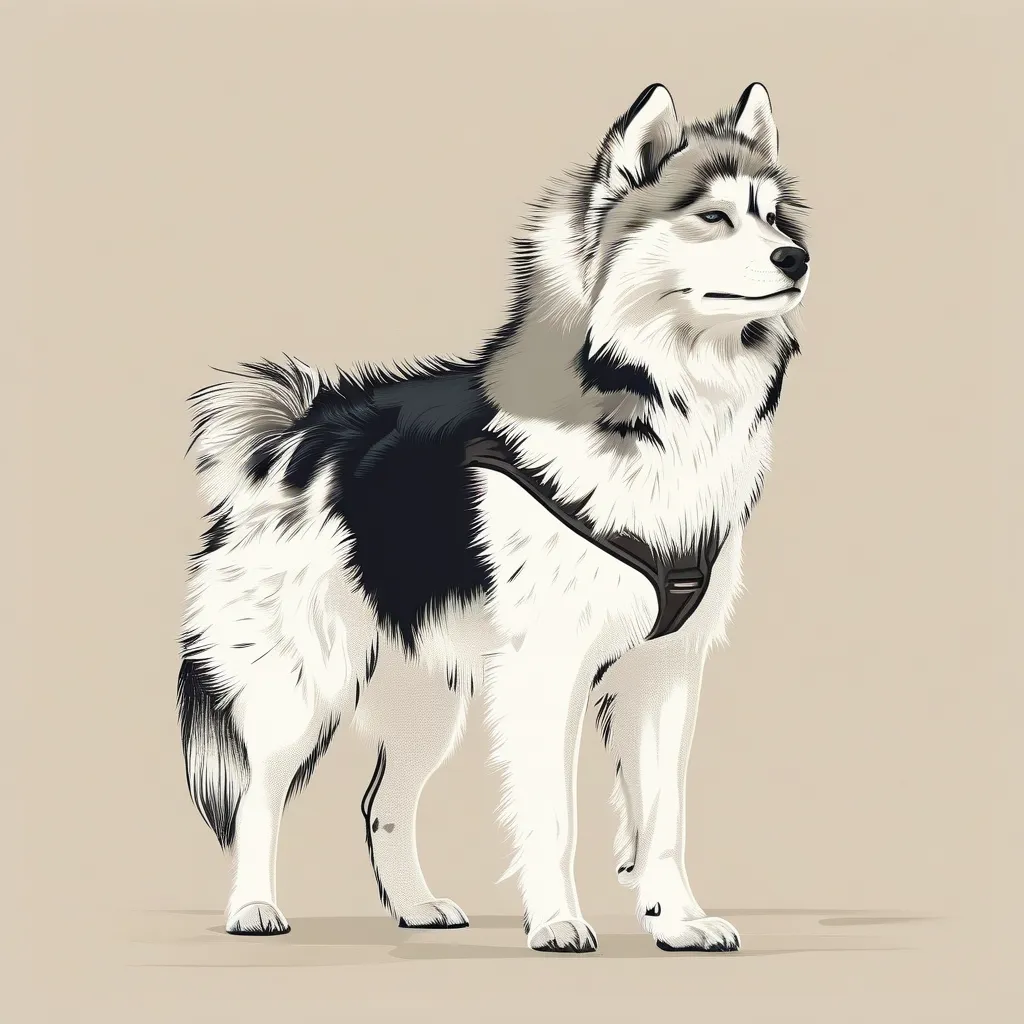
[IMAGE_PLACEHOLDER: Side-by-side photo comparing the coat texture and overall build of an Alaskan Klee Kai and a Pomsky] Debunking the Klee Kai vs Pomsky Commercial: Which Breed Wins?
Temperament and Personality: Beyond the Blue Eyes
Beyond their physical appearance, the temperaments of the Alaskan Klee Kai and Pomsky differ based on their genetic roots and breeding objectives.
Alaskan Klee Kai Temperament:
- Intelligence and Trainability: AKKs are highly intelligent, quick to learn, and eager to please, making them generally trainable. They thrive on interaction and mental stimulation.
- Social Nature: They are typically friendly, outgoing, and get along well with people, including children and other pets, especially if socialized early. They were bred as companions.
- Energy Levels: AKKs have moderate energy levels. They enjoy walks, playtime, and being part of family activities but don’t typically require the intense exercise demands of a working sled dog like a Malamute. Daily walks and some indoor play are usually sufficient.
- Guarding Instinct: Like many Arctic breeds, AKKs may have a natural guarding instinct and can be alert and protective of their family, making them good watchdogs. They are generally not aggressive but will notify you of strangers.
- Attachment: They form strong bonds with their families and prefer not to be left alone for long periods, which can lead to separation anxiety if not properly managed.
Pomsky Temperament:
- Intelligence and Trainability: As a crossbreed, Pomskies inherit intelligence from both parents. They are generally intelligent and trainable, often responding well to positive reinforcement. Their Pomeranian influence might make them slightly more stubborn at times.
- Social Nature: Pomskies are typically energetic, playful, and outgoing. They inherit the lively and sometimes mischievous nature of the Pomeranian. They generally get along well with families and children but might nip playfully due to their spitz-like heritage. Socialization is key.
- Energy Levels: Pomskies are generally more energetic than AKKs. They require regular exercise and mental stimulation to prevent boredom and potential destructive behavior. They enjoy walks, hikes, and playtime.
- Guarding Instinct: Pomskies may inherit a guarding instinct from the Malamute side but are generally less pronounced than in purebred AKKs. They are alert and will bark to alert their owners.
- Attachment: Pomskies often form strong bonds with their human companions and enjoy being part of the family. They can be prone to separation anxiety if left alone for long periods.
The choice between an AKK and a Pomsky regarding temperament often comes down to the desired energy level and specific personality traits. AKKs might be better suited for individuals or families seeking a calmer, more steady companion, while Pomskies might appeal more to active families looking for an energetic and playful partner.
Health, Lifespan, and Care: Responsible Ownership Considerations
Responsible ownership requires understanding the potential health issues and care needs specific to each breed.
Health Considerations:</p