Pomsky Husky: The Ultimate Guide to This Designer Breed
Welcome to the world of the Pomsky Husky, a captivating designer dog that has rapidly gained popularity in recent years. If you’re considering adding a canine companion that blends the beauty of a Pomeranian with the striking features of a Siberian Husky, you’ve come to the right place. This comprehensive guide will delve deep into everything you need to know about this unique hybrid breed.
Mixing Two Majestic Breeds: The Pomsky Husky Explained
The Pomsky Husky, often simply called a Pomsky, is a relatively new addition to the world of mixed-breed dogs, first appearing in the early 2000s. Its creation is a testament to the art of dog breeding, specifically the “designer dog” trend, where two distinct purebred dogs are crossed to potentially combine their most desirable traits.
The foundation parents for the Pomsky are typically a Pomeranian and a Siberian Husky. The Pomeranian, a small spitz breed originating from Germany, is known for its alert nature, playful personality, and fox-like appearance, often with a profusion of fur, especially on the head and tail. The Siberian Husky, originating from Russia, is a larger breed known for its endurance, striking blue or multi-colored eyes, dense thick coat, and its distinctive “smile” or “kisser” marking on the face.
As a designer breed, the Pomsky inherits characteristics from both its parent breeds. Breeders aimed to create a dog that possessed the energetic and affectionate nature of the Pomeranian combined with the stunning coat and independent spirit of the Husky. The result is a breed that is generally described as intelligent, energetic, alert, and incredibly photogenic. However, due to the relatively recent emergence of the breed, comprehensive scientific data on their health, lifespan, and specific behavioral tendencies are still limited, relying heavily on anecdotal evidence and observations from breeders and owners.
Top Tips for Pomsky Husky Owners: Everything You Need to Know
Physical Characteristics: A Blend of Elegance and Playfulness
The physical appearance of a Pomsky Husky is perhaps one of its most appealing aspects. They are generally classified as small to medium-sized dogs. While size can vary significantly depending on lineage and genetics, most Pomskies stand between 10 to 15 inches tall at the shoulder and typically weigh between 20 to 30 pounds. This manageable size makes them suitable for various living environments, from apartments to houses with yards.
Coat is a defining feature of the Pomsky Husky. Their coat is usually a single-layered or double-layered medium-length fur, quite different from the Pomeranian’s dense Poodle-type coat or the Husky’s thick undercoat. Pomskies often boast beautiful colors including white, cream, silver, gold, brown, black, and parti-color (patches of color). A notable feature often seen in this breed is a “kisser” or “smile,” an area of lighter-colored fur around the mouth and chin, reminiscent of the Siberian Husky.
Grooming needs are moderate. While their coat isn’t typically as high-maintenance as some double-coated breeds, regular brushing (at least a few times a week) is essential to prevent mats and tangles, especially around the legs, belly, and tail base. Occasional professional grooming may also be necessary, depending on the coat type and texture.
Temperament and Personality: Energetic, Intelligent, and Social
Pomsky Huskies are known for their vibrant and engaging personalities. They inherit a mix of traits from both Pomeranian and Husky parents, resulting in a dog that is often described as: Easy Pomsky Haircut Guide: Tips for a Healthy, Professional Summer Look
- Intelligent: Highly trainable, although their independent nature means they require positive reinforcement and consistent training methods.
- Energetic: They possess the Husky’s stamina and require regular exercise and mental stimulation to prevent boredom and potential destructive behavior.
- Alert and Vocal: Excellent guard dogs due to their alertness. They may bark to announce visitors or potential intruders. Training is needed to manage excessive barking.
- Social and Affectionate: They thrive on human companionship and generally get along well with families, other dogs, and even cats if properly introduced. Their Pomeranian lineage gives them a touch of independence.
It’s crucial for potential owners to understand that Pomskies can be quite headstrong. Reinforcement of basic commands and consistent leadership are key. They are not typically lap dogs but enjoy being close to their families. Early socialization is vital to ensure they grow up well-adjusted and friendly towards people and other animals. Understanding Pomsky Health Issues: A Complete Guide for Responsible Owners
Health and Lifespan: A Generally Robust Breed
While generally considered healthy, Pomsky Huskies are a relatively new breed, and long-term health studies are still ongoing. Responsible breeders screen for potential genetic health issues common to both Pomeranian and Husky parent breeds.
Potential health concerns may include: Your Adult Pomsky Explained: A Comprehensive Guide to Grown-Up Poms
- Dental problems
- Hip dysplasia
- Progressive Retinal Atrophy (PRA)
- Eyes issues like cataracts or lens luxation
- Husky-specific concerns like Corneal Dysplasia or Nephrolithiasis (kidney stones)
On average, Pomsky Huskies have a lifespan of 12 to 15 years. Ensuring a balanced diet, regular exercise, and preventative veterinary care (including dental check-ups) are essential for promoting a long and healthy life.
Care Requirements: Exercise, Training, and Grooming Essentials
As descendants of energetic breeds, Pomsky Huskies require significant attention and care:
Exercise: These are active dogs with high energy levels. Daily walks, runs, or access to a securely fenced yard for playtime are necessary. They inherit the Husky’s endurance, so longer activities like hiking or dog sports are often enjoyed.
Training: Positive reinforcement methods work best. Consistency and patience are key due to their intelligent but sometimes stubborn nature. Early house-training and leash-training are crucial. Socialization from a young age helps them become well-behaved companions.
Grooming: As mentioned, regular brushing is vital. Occasional nail trimming, ear cleaning, and dental care are also part of their grooming routine.
Living Environment and Compatibility
Pomsky Huskies adapt reasonably well to various living situations, but their energy level is best suited to homes with access to outdoor space for exercise. While they can be kept in apartments if provided with sufficient daily activity, they are not ideal “left-alone” dogs due to their need for companionship.
Generally, they are good family pets, getting along well with children and other pets if raised together. Their alert nature makes them decent watchdogs, but they are not typically aggressive protectors. Prospective owners should always research reputable breeders and be prepared for the commitment involved in raising any dog breed.
What You Need to Know About the Pomsky Husky Mix
The Pomsky Husky mix continues to capture hearts with its unique combination of looks and personality. They are undeniably charming and full of character. While the breed is still evolving, understanding their potential traits, needs, and care requirements is essential for anyone considering bringing one into their home.
Before welcoming a Pomsky Husky into your family, conduct thorough research, consult with experienced owners and breeders, and ensure that this active and intelligent breed is the right fit for your lifestyle. With proper care, training, and love, a Pomsky Husky can become a loyal, energetic, and delightful companion for many years.
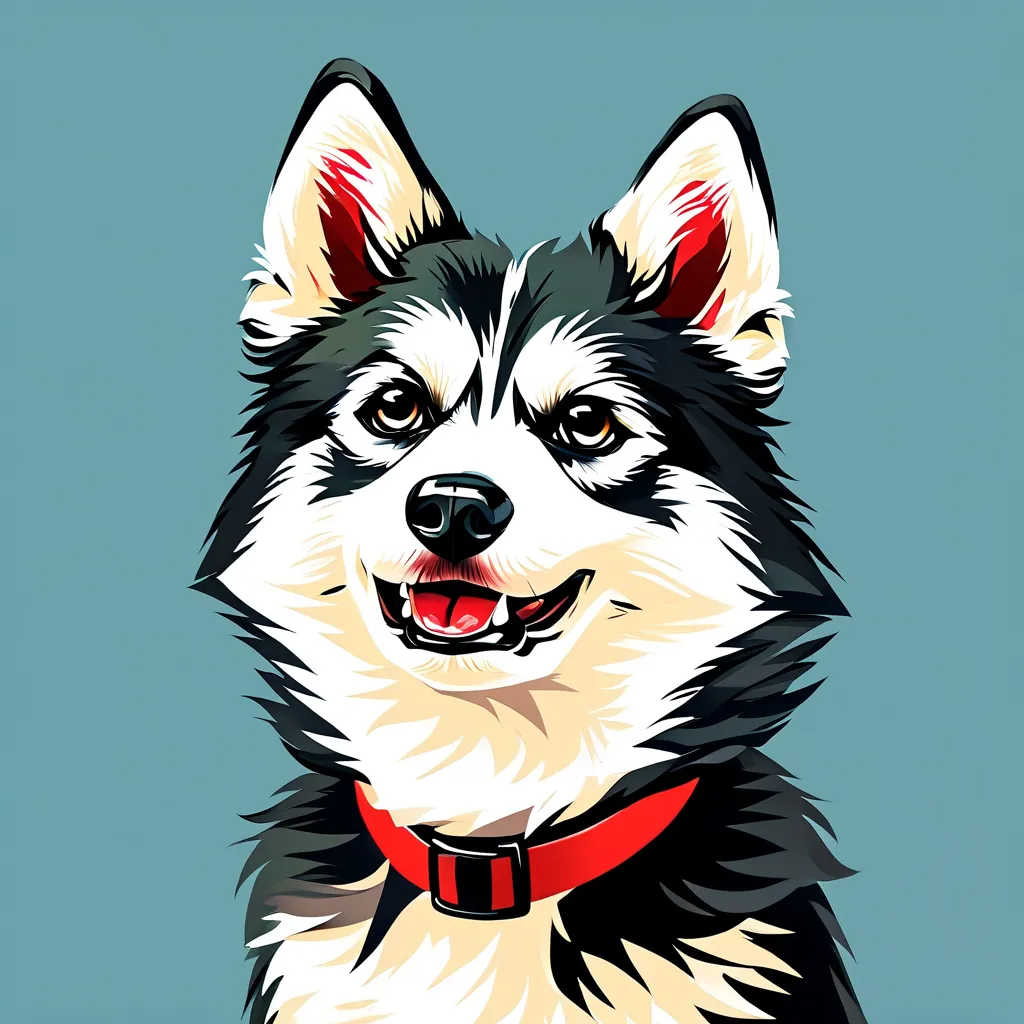
The Pomsky Husky’s unique blend of features makes it a truly distinctive companion. From their energetic temperament to their beautiful coat variations, these dogs are sure to make a lasting impression. Remember to consider the specific needs of this breed, including their exercise requirements and grooming needs, to ensure a happy and healthy relationship with your new furry friend.