Understanding Pomsky Health Issues: A Complete Guide for Responsible Owners
The Pomsky, a captivating crossbreed combining the charming Pomeranian and the intelligent Siberian Husky, has quickly become a beloved member of many households. Their expressive eyes, unique coat patterns, and energetic personalities make them wonderful companions. However, as with any breed, especially one resulting from a cross, understanding potential health issues is crucial for ensuring a long, happy, and healthy life for your Pomsky. Being a responsible owner means not only providing love and care but also being prepared for potential health challenges.
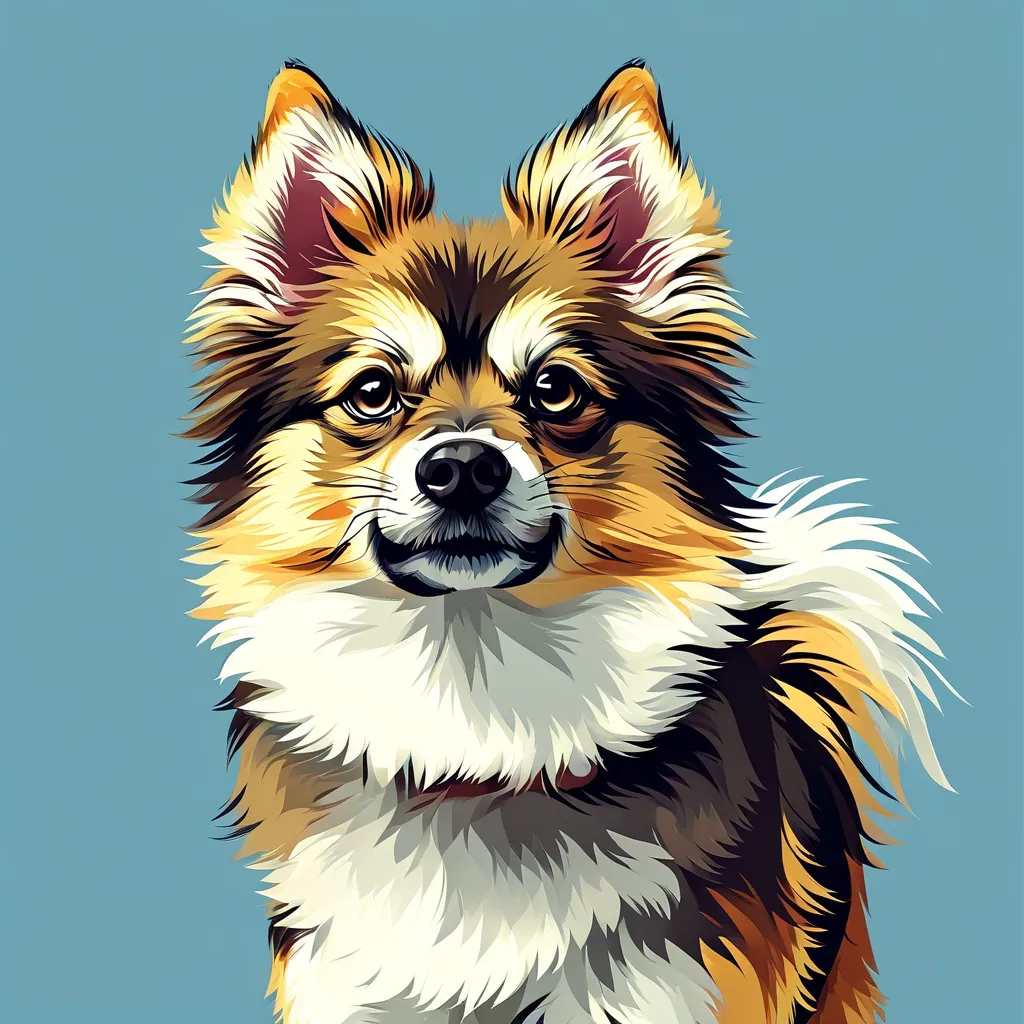
This comprehensive guide delves into the common and less common health problems that can affect the Pomsky breed. By familiarizing yourself with these potential issues, you can work proactively with your veterinarian to monitor your dog’s health, recognize early signs of illness, and take preventative measures. Knowledge is indeed power when it comes to safeguarding your furry friend’s well-being.
Common Genetic Health Concerns in Poms
As a relatively new breed developed through the crossing of two distinct breeds, the health of the Pomsky population is heavily reliant on responsible breeding practices. Breeding programs focused on health and temperament are essential. Prospective owners should seek dogs from breeders who conduct health screenings on their breeding stock. However, even with careful selection, some conditions can still manifest. Here are some of the most frequently reported health issues in Poms:
Joint Dysplasia: The Unwanted Guest
Hip Dysplasia and Elbow Dysplasia are joint conditions often discussed in relation to the Pomsky breed. These conditions occur when the joints (either the hip or elbow) do not develop properly. This malformation can lead to arthritis, pain, lameness, and significantly reduced mobility as your Pomsky ages.
What Causes It? While environmental factors like excessive weight or rapid growth can exacerbate joint problems, these conditions are primarily influenced by genetics. The structure and conformation inherited from the Pomeranian parent, particularly if there’s a history of dysplasia in the lineage, can predispose a Pomsky to developing joint dysplasia.
Recognizing the Signs: Early detection is key. Symptoms may include:
- Lameness or limping, often in one or more legs
- Stiffness, especially after exercise or rest
- Difficulty rising or climbing stairs
- Limited range of motion in the affected joints
- A decreased activity level or reluctance to exercise
Prevention and Management: Unfortunately, once dysplasia develops, it cannot be reversed. However, proactive steps can help manage the condition and minimize its impact:
- Maintain a healthy weight: Excess pounds put significant stress on already compromised joints.
- Controlled exercise: Avoid high-impact activities, especially during puppyhood. Consult your vet about appropriate low-impact exercises like swimming.
- Diet and supplements: A balanced diet and sometimes joint supplements (like glucosamine and chondroitin) recommended by your vet can support joint health.
- Medication or surgery: In severe cases, pain management medication or surgical intervention might be necessary.
The Ankle Problem: Luxating Patellas
Patellar Luxation, often referred to as a “trick knee,” is another joint issue frequently seen in small and toy breeds, and Poms are no exception. This condition involves the kneecap (patella) dislocating from its normal groove in the upper leg bone (femur).
Grading the Severity: Luxating patellas are graded on a scale from 1 to 4, with Grade 1 being mild (the kneecap can be manually moved out but usually returns on its own) and Grade 4 being severe (the kneecap is permanently displaced).
Signs Your Pomsky Might Have Patellar Luxation: Depending on the severity:
- Pain or crying out when the knee is manipulated
- Lameness or skipping in the rear legs
- Visible bowing or bending of the legs
- Reluctance to jump or climb stairs
- In severe cases, constant lameness
Prevention: Responsible breeding is the most effective way to prevent patellar luxation. Breeding dogs with a history or predisposition to this condition should be avoided.
Management: Mild cases often cause minimal symptoms and may not require treatment. More severe cases might need medication for pain or, in extreme instances, surgical correction. Easy Pomsky Haircut Guide: Tips for a Healthy, Professional Summer Look
Other Potential Health Challenges
Beyond the joint issues commonly associated with their parent breeds, Poms can face other health concerns. While less prevalent than hip dysplasia or patellar luxation, being aware is still important. Pomsky Fully Grown Informational: Complete Guide to Size and Weight
Eye Health Matters
The Pomeranian lineage has unfortunately been associated with certain eye problems. Poms can inherit conditions such as:
- Progressive Retinal Atrophy (PRA): An inherited condition that leads to the gradual degeneration of the retina, ultimately causing blindness. Early detection through screening is vital.
- Entropion: A condition where the eyelid rolls inward, causing the eyelashes and eyelids to rub against the eye surface, leading to irritation, corneal ulcers, and potential vision loss if untreated.
- Ectropion: The opposite of entropion, where the eyelid rolls outward, potentially leading to eye dryness and irritation.
- Cataracts: While more common in older dogs, cataracts can occasionally appear in younger Poms, clouding the lens and affecting vision.
Signs of Eye Problems: Owners should watch for:
- Squinting
- Rubbing or pawing at the eyes
- Redness or inflammation of the eyes
- Cloudiness in the eyes
- Excessive tearing
Regular veterinary eye examinations, especially starting from an early age or if a family history of eye problems exists, can help detect these conditions early.
Hypothyroidism: The Metabolic Slowdown
Hypothyroidism is an endocrine disorder where the thyroid gland doesn’t produce enough thyroid hormone, which regulates metabolism. This condition is more common in certain breeds, including Pomeranians, and can sometimes affect their Pomsky crosses. Your Adult Pomsky Explained: A Comprehensive Guide to Grown-Up Poms
Recognizing Hypothyroidism: Symptoms can be vague and develop gradually. Common signs include:
- Weight gain despite normal or decreased appetite
- Fatigue and lethargy
- Cold intolerance (might be harder to observe in pets)
- Changes in coat texture or skin problems (dry, flaky, or thinning coat)
- Increased sleep
- Mood changes
Diagnosis and Treatment: A blood test can confirm hypothyroidism. Fortunately, it is manageable with lifelong oral medication prescribed by a veterinarian. Regular monitoring is necessary to ensure the correct dosage.
Unique Coat Concerns: Hair Shedding Syndrome
Poms inherit the unique coat from their Husky parent. While generally beautiful, this coat can sometimes be prone to a condition known as Severe Hair Loss Syndrome (SHLS). This is an inherited trait characterized by excessive shedding, leading to patches of missing hair, often around the eyes, muzzle, and face.
What to Look For: SHLS typically presents as symmetrical hair loss, starting around the eyes and spreading. It’s often more pronounced in certain coat colours, particularly dilute colours like silver and white.
Management: Unfortunately, SHLS is a genetic condition and there is no cure. It’s important to understand this potential trait before bringing a Pomsky home, especially if coat density and appearance are a priority for you. Regular grooming can help manage shedding and skin health.
The Throat Emergency: Collapsing Tracheas
A collapsing trachea, sometimes called “choking” even when no foreign object is present, is a condition where the windpipe collapses under pressure, narrowing the airway. While more common in small breeds, Poms can be affected.
Signs of