Your Adult Pomsky Explained: A Comprehensive Guide to Grown-Up Poms
Welcome to a detailed exploration of the fascinating world of the Pomsky, specifically focusing on what happens as these captivating canines reach their adult stage. If you’ve welcomed a Pomsky puppy into your home or are considering bringing one into yours, you’re likely curious about their ultimate size, personality, energy levels, training needs, and care requirements once they’ve fully matured. Understanding what your grown-up Pomsky will be like is crucial for setting realistic expectations and providing the best possible life for this unique hybrid breed.
Understanding the Pomsky: A Brief Background
Before delving into the specifics of the adult dog, it’s helpful to understand the origins of the Pomsky. This popular designer dog breed is a relatively recent creation, resulting from the crossing of a Pomeranian and a Siberian Husky. Breeders first began experimenting with this combination in the early 2000s, aiming to combine the charming, often feisty appearance and temperament of the Pomeranian with the friendly, outgoing, and adaptable nature of the Husky. The goal was to create a dog that was smaller than a traditional Husky but retained much of its companionable spirit and unique looks.
The Pomsky is considered a relatively new breed, and as such, they haven’t been formally recognized by all major kennel clubs. However, their popularity has surged dramatically, making them one of the most sought-after mixed-breed dogs today. Their appeal lies in their striking appearance, often featuring a thick, fluffy coat reminiscent of their Pomeranian parent, combined with the expressive eyes and friendly demeanor of the Husky. Despite their relatively short history as a defined breed, understanding the characteristics of their parent breeds provides invaluable insight into what to expect from your mature Pomsky.
The Adult Pomsky: Size and Physical Characteristics
One of the most common questions about Pomskies revolves around their adult size. While the breed standard is still evolving, most Pomskies will fall into a predictable weight and height range once they reach maturity. This range can vary slightly depending on the lineage – whether the Pomsky leans more towards the Pomeranian side or the Husky side – but generally, you can expect the following:
- Weight: Adult Pomskies typically weigh between 16 to 24 pounds (around 7 to 11 kilograms). It’s crucial to understand that individual dogs can fall outside this range based on genetics and health.
- Height: At the shoulder, a fully grown Pomsky usually stands between 14 to 18 inches tall.
[IMAGE_PLACEHOLDER: Adult Pomsky standing next to a standard object like a ruler or another breed for size comparison]
It’s important to note that like any crossbreed, the size of a Pomsky isn’t guaranteed to fit neatly into this box. Factors such as genetics from both parents, nutrition, and overall health play significant roles. Some Pomskies might be slightly smaller, while others could potentially grow closer to the upper end or even slightly beyond, especially if they inherit Husky genes known for slightly larger stature. Responsible breeding practices aim to produce healthy dogs within this typical range, but individual variation always exists.
Beyond just height and weight, the adult Pomsky’s physical appearance continues to develop throughout their first few years. Their coat, a blend of the Pomeranian’s dense fur and the Husky’s undercoat, requires regular grooming to prevent mats and tangles. The coloration can also vary, ranging from solid colors to parti-colors (patches of different colors). Their expressive eyes and ears are characteristic features, often inherited from their parent breeds. Pomsky Fully Grown Informational: Complete Guide to Size and Weight The Pomsky Fox: Your Ultimate Guide to This Unique Hybrid Breed
Temperament and Personality of the Mature Pomsky
As your Pomsky puppy grows into adulthood, their personality solidifies, showcasing a blend of traits inherited from both the Pomeranian and Husky. Understanding this temperament is key to providing a fulfilling environment for your mature companion.
Intelligence and Trainability: Pomskies are known for being quite intelligent, inheriting this trait from both their parent breeds. They are quick learners and often excel in training sessions. Their intelligence means they can become easily bored if not mentally stimulated, which can sometimes lead to destructive behavior. However, their intelligence also translates into a strong desire to please their owners, making them generally receptive to training when approached with patience and positive reinforcement. They are often praised for picking up basic commands and household rules relatively quickly, sometimes mastering house-training within the first few weeks or months, much faster than many purebred dogs.
Playfulness and Energetic Nature: The playful antics associated with the Pomsky breed are a hallmark characteristic. These dogs retain a youthful, fun-loving spirit well into adulthood. They thrive on interaction, games, and playtime with their human companions. Their Husky lineage contributes an energetic component, meaning they need regular opportunities for physical exercise. Daily walks, runs, hikes, or playdates with other dogs are essential to burn off their considerable energy and prevent restlessness. The Pomeranian influence adds a layer of alertness and sometimes a bit of that “spitfire” energy, making them engaging and entertaining companions.
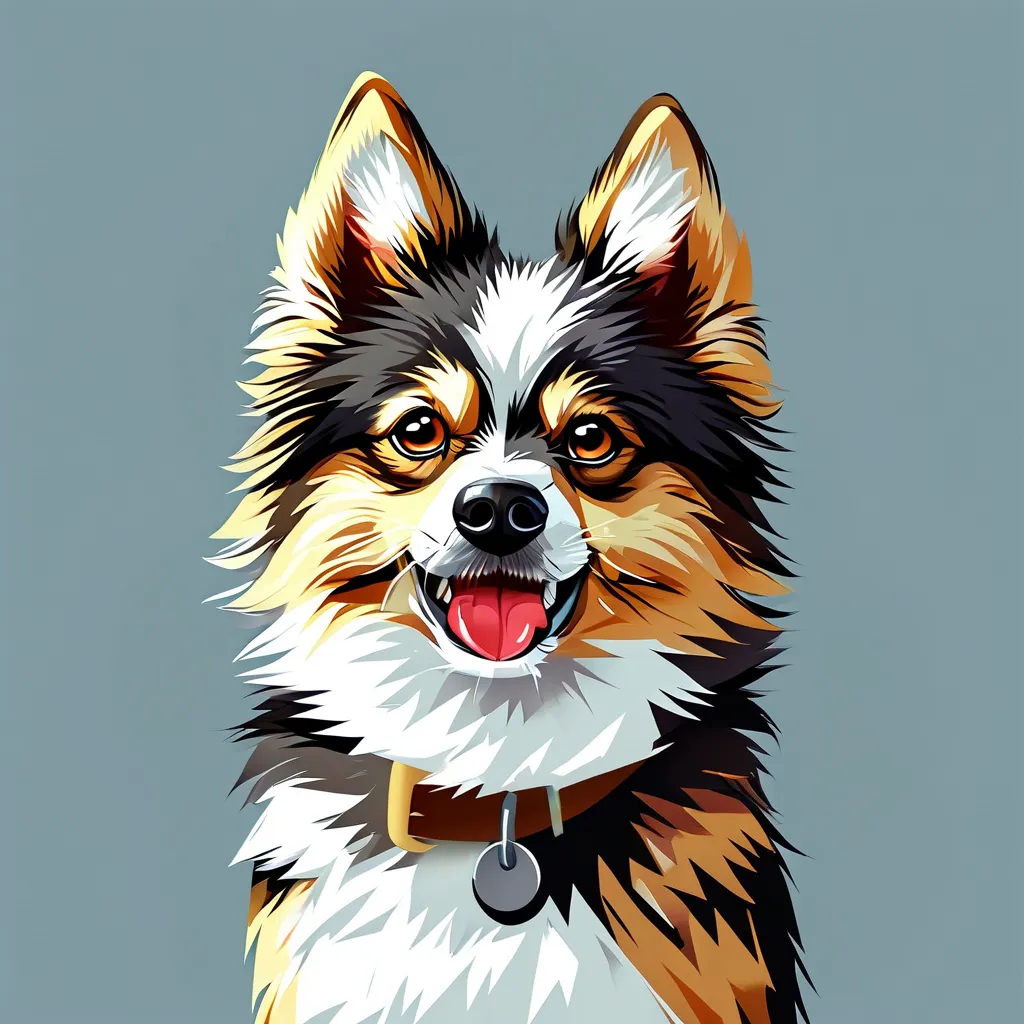
Social Needs and Friendliness: Pomskies are generally very sociable and friendly dogs. They are known to get along well with people of all ages, including children (with proper supervision and socialization), other dogs, and even other pets in the household. Their Husky background often means they have a laid-back, easygoing attitude, making them adaptable to various living situations. However, their Pomeranian ancestry can also bring a streak of independence or even mild stubbornness at times, requiring consistent leadership and positive reinforcement techniques. They are typically not overly vocal like some other breeds, but they might yap occasionally if they sense something unusual or if they are anxious.
Guardian Instincts: While not typically classified as guard dogs due to their generally friendly nature, a mature Pomsky might show alertness towards strangers or unfamiliar sounds. Their bark can be quite loud and distinctive, often described as carrying a hint of the Husky’s howl. They are usually more inclined to greet guests happily than to act defensively. Proper socialization from a young age is crucial to ensure they develop into well-adjusted adults comfortable in their environment. Full Grown Pomsky Size Information: Height, Weight, and Growth Timeline Explained
[IMAGE_PLACEHOLDER: A happy Pomsky interacting playfully with its owner or another dog]
Caring for Your Mature Pomsky: Exercise, Training, and Grooming
Raising a grown-up Pomsky involves specific care routines tailored to their unique needs. Understanding these requirements ensures your adult Pomsky leads a happy, healthy, and well-adjusted life.
Exercise Needs: Keep Them Active and Happy
As an adult Pomsky, your dog requires a significant amount of daily exercise. Their blend of Pomeranian energy and Husky endurance means they shouldn’t be a sedentary indoor pet. Aim for:
- Leisurely walks: At least two walks per day, possibly longer or faster-paced walks depending on your dog’s energy level and your schedule.
- Running or Fetch: These activities are excellent for burning off energy. Huskies are natural endurance runners, so incorporating running or brisk hiking can be beneficial.
- Playdates: Social interaction with other dogs is often enjoyed by Pomskies and fulfills their social needs.
- Mental Stimulation: Combine physical exercise with brain games, puzzle toys, or training sessions to keep them mentally sharp and prevent boredom-related issues.
Living in an apartment is possible for a mature Pomsky if you can provide ample daily walks and access to safe, off-leash areas for running. However, homes with larger yards offer more space for them to burn energy naturally.
Training: Building a Strong Bond
Ongoing training is vital throughout a Pomsky’s life, especially during their adult years. Their intelligence means they crave challenges and learning opportunities. Continue reinforcing basic commands and consider:
- Advanced Obedience: Teaching tricks or participating in agility, rally, or earthdog trials can provide excellent mental stimulation.
- Consistency: Maintain consistent rules and boundaries to prevent confusion. Pomskies can be clever but sometimes independent, so clear leadership is key.
- Positive Reinforcement: Reward good behavior promptly with treats, praise, or play. Harsh methods are generally ineffective and can damage the bond.
- Socialization: Ensure continued positive exposure to different sights, sounds, people, and other animals to maintain their well-adjusted temperament.
[IMAGE_PLACEHOLDER: Person using positive reinforcement (treats, clicker) to train a Pomsky]
<h