The Pomsky Fox: Your Ultimate Guide to This Unique Hybrid Breed
Welcome to the vibrant world of canine hybrids! Among the newest and most captivating additions to the dog fancy is the Pomsky. This enchanting crossbreed, often affectionately called the “Pomsky Fox,” has quickly stolen the hearts of dog lovers everywhere with its striking appearance and charming personality. If you’re contemplating bringing a Pomsky Fox into your life, or simply fascinated by this unique blend of Husky and Pomeranian, you’ve come to the right place. This guide delves deep into everything you need to know about these popular designer dogs, covering their origins, physical traits, temperament, care requirements, and more.
Origins and Parentage: The Genesis of a Design Wonder
The Pomsky breed was intentionally created in the early 2000s by American dog breeders. Their goal was to combine the luxurious coat and elegant appearance of the Pomeranian with the stunning blue eyes and energetic nature of the Siberian Husky, resulting in a dog that is both beautiful and unique. The Pomsky fox, as it’s often termed, owes its existence entirely to these deliberate breeding efforts.
While the exact lineage might vary slightly depending on the breeder, the foundation is consistently the same: a female **Siberian Husky** crossed with a male **Pomeranian**. This specific pairing was chosen not just for the visual appeal, but also because the two parent breeds are relatively similar in size and temperament during their younger stages, making the initial breeding process smoother. It’s important to note that the Pomsky is **not** a recognized breed by major kennel clubs like the American Kennel Club (AKC) or the United Kennel Club (UKC). Instead, it’s classified as a “hybrid” or “designer dog.” However, this doesn’t diminish its popularity or the commitment needed for responsible ownership.
Distinctive Appearance: The “Foxy” Factor
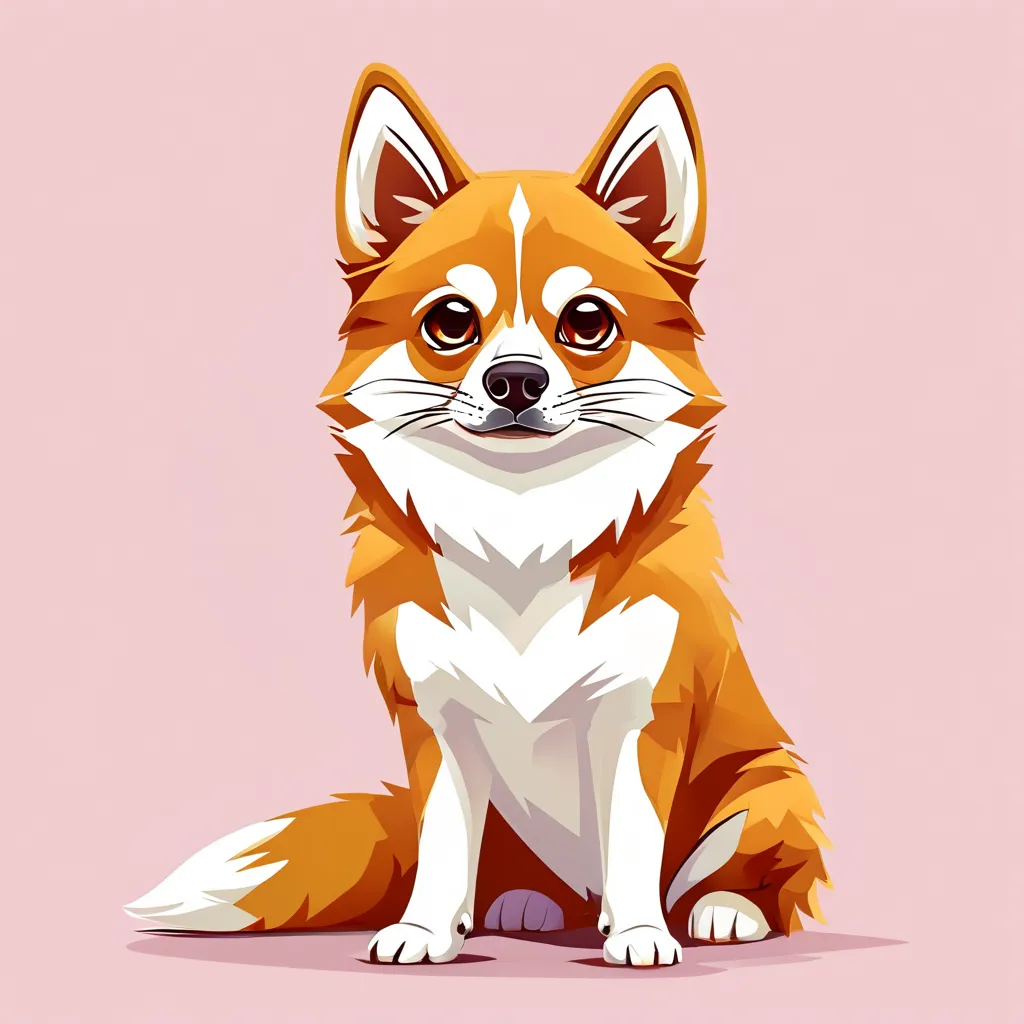
The Pomsky fox is undeniably one of the breed’s most defining characteristics – its appearance is often described as looking like a small, fluffy fox. This unique look stems directly from the influence of its parent breeds:
- Siberian Husky Influence: The Husky contributes longer fur, often with a potential for a dorsal stripe (though less common in Poms), and those signature blue or multi-colored eyes. The Husky gene also brings a more robust body structure and a fox-like muzzle shape in some individuals.
- Pomeranian Influence: The Pomeranian imparts a smaller, more compact frame, a fluffy double coat, a wedge-shaped head, and upright ears. This influence gives the Pomsky its characteristic slim bone structure and a more refined, terrier-like head shape.
The term “Pomsky Fox” typically refers to the **F1b generation** – a cross between an F1 Pomsky (50% Husky, 50% Pomeranian) and a Pomeranian. This backcrossing to the Pomeranian parent aims to achieve a smaller size and coat characteristics more similar to the Pomeranian, often resulting in a coat that is denser, fluffier, and less likely to have the blue eyes or dorsal stripe typical of the Husky. However, even within the F1b generation, appearance can vary significantly.
Physical traits to expect in a Pomsky Fox include:
- A medium-sized frame, typically weighing between 10-25 pounds and standing 10-15 inches tall at the shoulder.
- A fluffy, double coat that requires regular grooming. Colors can vary widely, including white, cream, silver, black, parti-color (two-tone), and brindle.
- A head shape that is a blend – often described as having a “fox-like” muzzle with a wedge-shaped cranium.
- Those captivating eyes! Pomskies often inherit the mesmerizing blue eyes of the Husky, or sometimes brown eyes or heterochromia (different colored eyes), adding to their expressive look.
- A tail that is typically curled under, reminiscent of the Pomeranian.
The combination of the Husky’s longer body and the Pomeranian’s finer frame often results in a unique silhouette that truly resembles a miniature fox, hence the popular moniker.
Temperament and Personality: A Playful Companion
Beyond their stunning looks, the Pomsky fox is known for its endearing and energetic personality. As a blend of two distinct breeds, their temperament is a wonderful mix, but it’s also a crucial factor to consider before welcoming one into your home.
Playful and Energetic:** Pomskies inherit the playful spirit from both parents. They thrive on interaction, playtime, and engaging activities. They are not typically lap dogs but do enjoy being involved in family life. Their Husky lineage gives them bursts of energy, while their Pomeranian side adds a touch of alertness and intelligence.
Intelligent and Trainable:** Thanks to the intelligence of both the Husky and Pomeranian, Pomskies are generally quick learners. However, their independent streak, inherited from the Husky, can sometimes make training a challenge that requires patience and positive reinforcement. Consistency and engaging training sessions are key. They excel in activities like agility, fetch, and puzzle toys.
Affectionate and Social:** Despite their small size, Pomskies are often quite affectionate with their families. They enjoy cuddling and being close to their human companions. They generally get along well with children and other pets, especially if socialized early, although their Husky ancestry means they have a strong prey drive that needs careful management around smaller animals. Pomsky Blue Merle: A Complete Guide to This Stunning Breed
Vocal:** Like Huskies, Pomskies can be vocal dogs. They might yap to announce their presence, express excitement, or alert their owners to perceived intruders. This trait should be considered if noise sensitivity is a concern. Pictures of Pomsky: Stunning, Cute & Unique Design Dog Photos
Guardian Instincts:** While not typically guard dogs in the traditional sense, their alert nature means they are aware of their surroundings and can be protective of their families. They are more likely to be vocal about potential threats than to physically confront them. The Ultimate Guide: Breeding Pomskies – Process, Costs & Finding Reputable Breeders
In summary, the Pomsky Fox is an active, intelligent, and social companion. They require an owner who can provide mental stimulation, regular exercise, and a loving environment. Their unique blend of Husky and Pomeranian traits makes them a truly special addition to any household.
Care Requirements: Nurturing Your Mini Fox
While Pomskies are adorable, they come with specific care needs that potential owners must understand and commit to meeting. Neglecting these needs can lead to health problems or behavioral issues.
Exercise Needs
Although smaller than a full-grown Husky, Pomskies still require significant daily exercise. Their energetic and playful nature means they need at least 60-90 minutes of activity per day. This can include brisk walks, runs in a secure area, hiking, swimming (Huskies love water!), or vigorous play sessions. Insufficient exercise can lead to boredom, which might manifest as destructive chewing or excessive barking. They thrive in active homes or apartments with access to safe outdoor space.
Training and Socialization
As mentioned earlier, training requires patience and positive reinforcement. Their intelligence means they can learn quickly, but their independent thinking can sometimes lead them to ignore commands if they aren’t sufficiently engaged. Early and ongoing socialization is crucial, exposing them to different people, places, and other animals to ensure they grow into well-adjusted adults. Their alertness means they are quick observers, which can be beneficial but also requires consistent leadership.
Grooming Needs
The Pomsky’s double coat is perhaps one of the most significant aspects of their care. They shed moderately year-round and heavily during seasonal coat changes. Regular brushing (at least 2-3 times weekly, possibly more for show dogs or during heavy shedding) is essential to prevent mats and tangles and to manage shedding. Professional grooming might be needed every 4-6 weeks to maintain coat condition and for nail trims and ear cleaning.
- Hair:** Regular brushing prevents matting. Occasional trimming, especially around the paws, face, and base of the tail, can help keep them cool and tidy.
- Eyes:** Regularly check for redness, discharge, or cloudiness and consult a vet if any issues arise.
- Ears:** Clean regularly, especially if they have floppy ears, to prevent infections.
- Dental Care:** Brush their teeth regularly or use dental chews to prevent periodontal disease, which is common in small breeds.
Health Considerations
As a relatively new hybrid breed, Pomskies