Debunking the Klee Kai vs Pomsky Commercial: Which Breed Wins?
Have you ever watched a pet commercial showcasing two adorable, fluffy white canines, pitted against each other in a cute, ambiguous way, leaving you wondering which breed might be better suited for your life? This particular comparison, often featuring a Klee Kai and a Pomsky, has gained traction online, sparking curiosity and debate among potential owners. But what’s the real story behind the Klee Kai vs Pomsky dynamic? Are they truly rivals, or are they simply two distinct dogs sharing some similarities?
The term “Pomsky” itself is a portmanteau, combining “Pomeranian” and “Siberian Husky,” indicating its mixed breed origins. This blend results in a dog whose appearance can vary significantly. On the other hand, the “Klee Kai” is a relatively newer arrival, officially recognized by the International Canine Organization (ICO) as a purebred hybrid created by crossing a Siberian Husky with an Alaskan Malamute. While often appearing visually similar to the Pomsky, the underlying genetics and, consequently, the characteristics, differ substantially.
This article aims to debunk the simplistic “Klee Kai vs Pomsky Commercial” notion by diving deep into the specifics of both breeds. We’ll explore their origins, appearances, temperaments, energy levels, health considerations, and care requirements. By understanding these differences and similarities beyond just looks, you can make a more informed decision about which dog might capture your heart and fit into your lifestyle.
Diving Deeper: Origins and Recognition
The story of the Pomsky began in the early 2000s, born from the creative combination of a small Pomeranian and a larger Siberian Husky. The goal was typically to create a smaller version of the popular Husky mix, offering the coat colors and patterns often seen in Huskies but with a more manageable size. Because it is a crossbreed, the Pomsky is not recognized as a distinct breed by major kennel clubs like the American Kennel Club (AKC). Its unpredictable traits and lack of a defined standard mean that each Pomsky can vary widely in size, coat type, temperament, and health predispositions.
Enter the Klee Kai. This breed emerged more recently, around the mid-2010s, with a specific purpose. Its creators aimed to develop a stable, predictable companion by crossing the Siberian Husky with the Alaskan Malamute. Unlike the Pomsky, the Klee Kai is a *designated* hybrid breed, recognized by the International Canine Organization (ICO). While not recognized by the AKC, its status as a purebred hybrid provides a more consistent framework for breeders aiming to minimize the potential health issues associated with irresponsible crossbreeding. The Klee Kai’s recognition by the ICO lends it a degree of legitimacy and standardization often lacking in pure mixed breeds like the Pomsky.
The commercial comparison often highlights the visual similarities, perhaps using stock images or brief footage showcasing their fluffy coats. However, the origin significantly impacts expectations. Owning a Pomsky involves navigating the uncertainties of a mixed breed, while owning a Klee Kai, if bred responsibly, offers a more predictable experience based on the known traits of its parent breeds.
Unveiling the Differences: Appearance, Temperament, and Needs
**Appearance:** While both breeds can boast stunning white, grey, and blue merle coats, the subtle differences can be telling. Klee Kais, being a mix of Husky and Malamute, typically have a denser, fluffier coat, sometimes referred to as “bear coat,” especially in their puppyhood. They often have a broader head structure and a more robust build compared to Pomskies, who, being smaller, usually have a less dense coat and a more fox-like appearance due to their Pomeranian lineage.
**Temperament:** Here lies a significant divergence. Both breeds inherit traits from their working backgrounds. Siberian Huskies are known for their independence, high energy, and strong prey drive. They were bred to pull sleds over vast distances, requiring endurance and a self-starting attitude. Malamutes, also working sled dogs, are powerful, gentle giants, often described as affectionate and eager to please, but they also possess a strong independent streak and require experienced handling.
The Klee Kai, inheriting these traits, is generally expected to be more balanced. They tend to be more outgoing and social, inheriting the Husky’s friendliness and the Malamute’s loyalty. However, they still require firm, consistent training and socialization from an early age. Their intelligence means they can be stubborn if not properly engaged.
In contrast, the Pomsky’s temperament is heavily influenced by its Pomeranian side. Pomeranians are small, alert, and can be quite vocal, often displaying a feisty or terrier-like attitude. This can sometimes lead to a Pomsky being more vocal or even more wary of strangers than a Klee Kai. They might inherit the Husky’s coat color but lack the Malamute’s foundational work ethic and the Klee Kai’s specific blend of Malamute and Husky traits.
**Energy Levels:** Both breeds are high-energy dogs that require substantial daily exercise and mental stimulation. However, the Klee Kai, being closer in size and origin to working sled dogs, may have slightly higher endurance needs than the smaller Pomsky. They thrive in active homes with access to open space for running and exploration. Pomskies are energetic too, but their smaller size might mean they are slightly less demanding in terms of space, though they still need significant activity.
**Training and Socialization:** Training a Klee Kai requires patience and consistency. They are intelligent but can be willful. Early and ongoing socialization is crucial to ensure they get along with people and other pets, especially given their size. Their independent nature means they respond best to positive reinforcement methods and clear leadership.
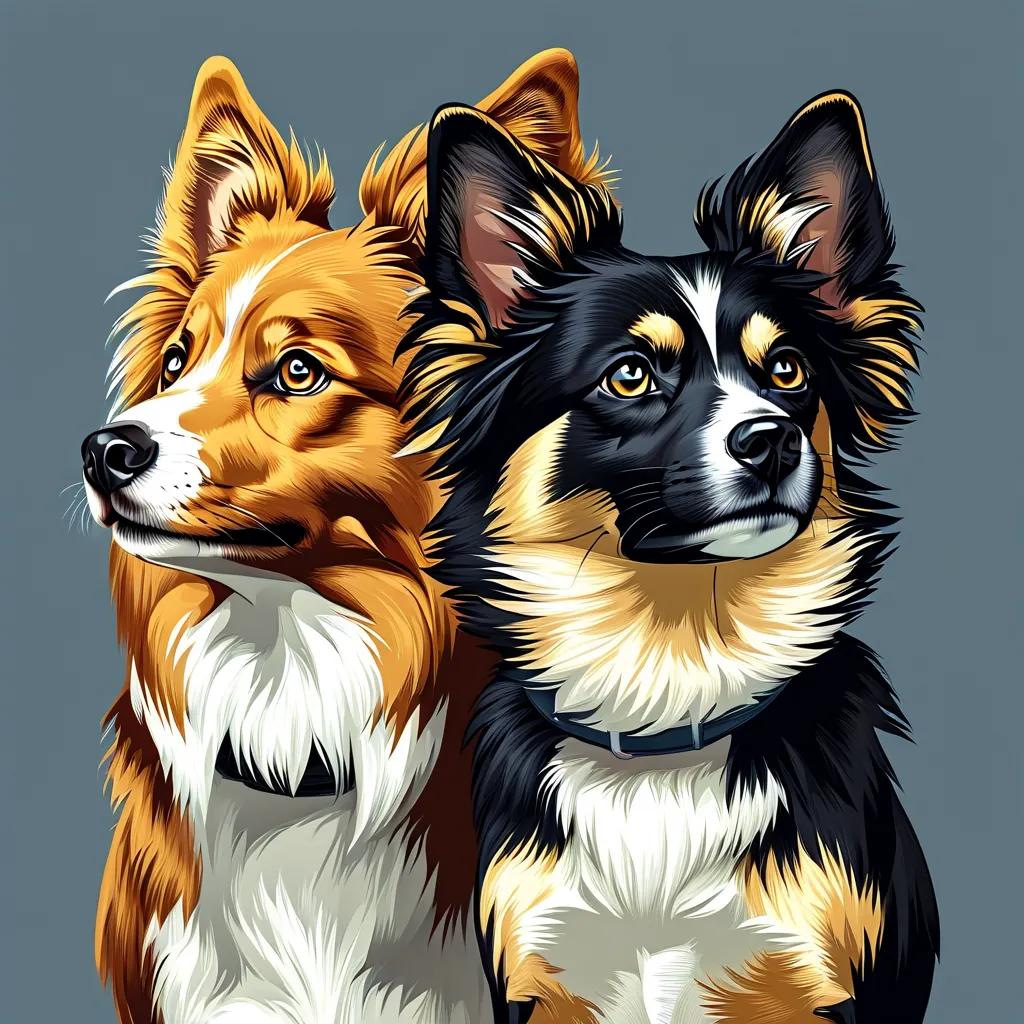
Pomskies also require consistent training. Their smaller size doesn’t equate to lower energy or easier training. Their Husky influence means they can be strong-willed, while their Pomeranian influence might add a layer of alertness or even shyness. Socialization is equally important for Pomskies to prevent potential aggression or fear-based issues.
Klee Kai vs Pomsky: Health, Care, and Lifestyle Considerations
When considering any breed, health and care are paramount. The Klee Kai, being a purebred hybrid recognized by the ICO, benefits from a defined breeding program aimed at reducing the risk of inherited health problems common in purebred dogs. Responsible breeders screen for conditions like hip dysplasia, eye issues, and certain heart problems associated with Siberian Huskies and Alaskan Malamutes. However, as with any dog, genetics play a role, and health monitoring is still essential.
The Pomsky, lacking formal breed recognition and standard health guidelines, is more susceptible to the unpredictable health issues that can arise from irresponsible breeding practices. Potential health concerns could include patellar luxation (knee problems), eye diseases, allergies, and dental issues, similar to those found in Pomeranians and Huskies. Finding a reputable breeder who performs health tests on parent dogs is critical for responsible Pomsky ownership.
**Grooming:** Both breeds boast beautiful, fluffy coats that require regular maintenance. Klee Kais, with their denser Malamute influence, often need more frequent brushing – several times a week – to prevent mats and manage their “bear coat” shedding. They may have a heavier seasonal coat loss than Pomskies.
Pomskies generally have a coat that requires less intensive grooming than a Klee Kai, though they still need regular brushing to prevent mats, especially around the legs and tail base. Their shedding can be moderate to heavy, depending on the influence of the Husky or Pomeranian genes.
**Living Environment:** Both breeds need ample space to move around. A Klee Kai, being larger, is better suited to a home with a yard and is not ideally suited for apartment living unless the apartment offers significant space and constant access to a large area. Their size and energy mean they need room to stretch their legs.
Pomskies are more adaptable to various living situations but still require significant space and daily exercise. They thrive in homes where they are an integral part of the family and have access to outdoor activities. Neither breed is typically considered apartment-friendly due to their size, energy, and vocal tendencies (especially Pomskies).
**Exercise Needs:** Both breeds require substantial daily exercise. Klee Kais, with their working dog lineage, benefit from activities like hiking, sledding (in appropriate climates), or vigorous play sessions. They excel in sports like flyball or agility, enjoying the mental challenge alongside the physical exertion.
Pomskies need daily walks, runs, or access to a securely fenced area where they can burn off energy. They are intelligent dogs that also require significant mental stimulation. Puzzle toys, training sessions, and interactive games are essential to prevent boredom and destructive behaviour, regardless of the breed’s origin.
Conclusion: Finding Your Perfect Companion
The “Klee Kai vs Pomsky Commercial” narrative