Ultimate Pomsky Care Guide: Health, Training & Daily Needs
Welcome to the wonderful world of the Pomsky! This enchanting designer dog breed, a delightful mix between a Pomeranian and a Siberian Husky, has captured the hearts of many dog lovers worldwide. Their unique appearance, energetic personality, and captivating eyes make them incredibly popular. However, owning a Pomsky comes with specific responsibilities. This guide delves deep into caring for your new Pomsky companion, covering essential aspects like grooming, training, health, nutrition, and daily needs to ensure they live a happy, healthy life by your side.
The Pomsky: A Quick Overview
Before diving into the nitty-gritty of care, let’s understand what makes this breed special. Pomskies are relatively new designer dogs, first appearing in the early 2000s. They inherit traits from both parent breeds: the Pomeranian’s small size and fluffy coat, and the Husky’s striking features, energy, and blue eyes. Their coat patterns are often unique, ranging from solid colors to merle, parti-color, and brindle. Despite their relatively recent origin, they are known for being intelligent, playful, and generally good-natured dogs. Their size typically ranges from 10 to 20 pounds and 10 to 15 inches at the shoulder, making them a manageable size for many households. 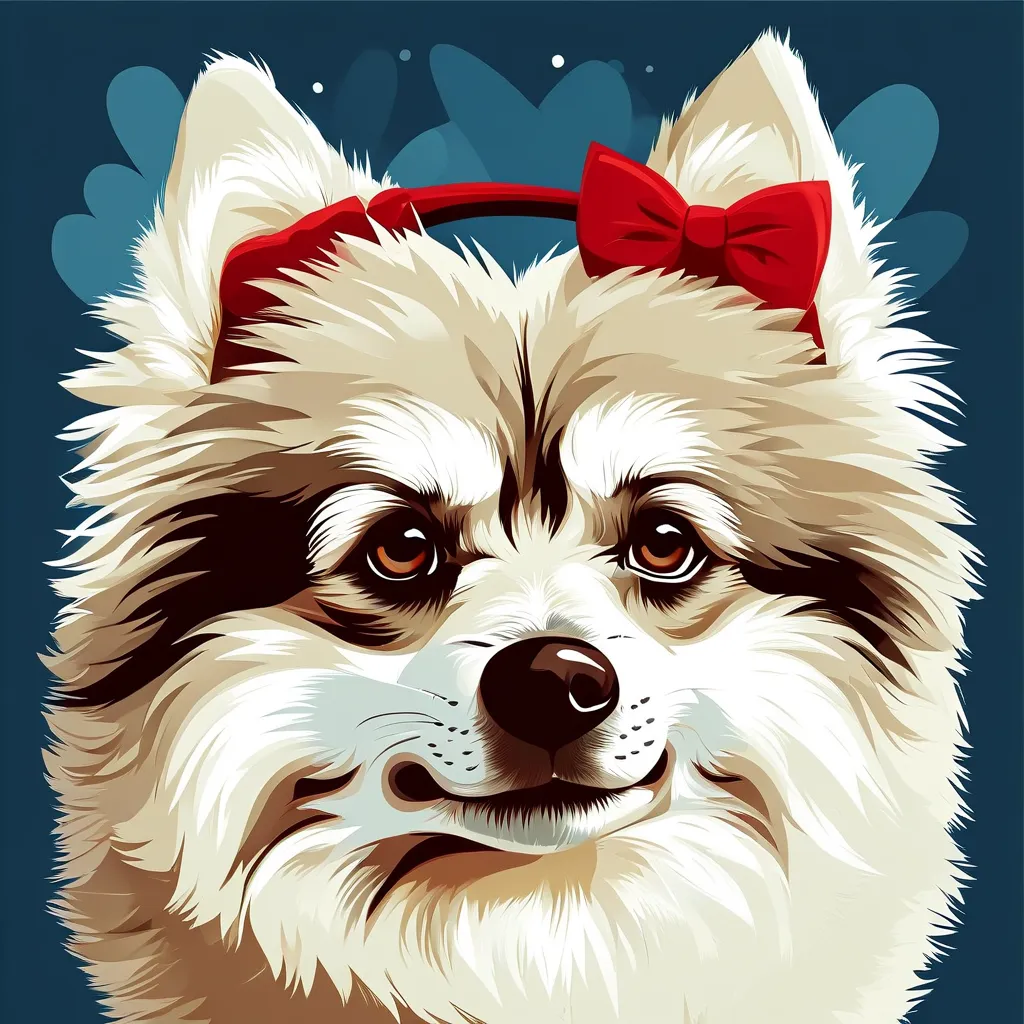
Section 1: Grooming Your Pomsky – A Coat’s Tale
One of the most significant aspects of Pomsky care is grooming. Their unique coat requires regular attention to prevent matting, reduce shedding, and keep them comfortable. Understanding their coat type is the first step.
The Pomsky Coat: Pomskies inherit a thick, double coat similar to their Husky parent, but often with the fluffy appearance of a Pomeranian. This coat is designed for insulation, providing warmth in colder climates. Regular brushing is not just a chore; it’s essential for their well-being.
Brushing: This is arguably the most crucial grooming task for a Pomsky. Their dense undercoat can easily tangle and mat if neglected. Aim for at least 2-3 brushing sessions per week, increasing frequency during heavy shedding seasons (spring and fall). Use a combination of tools:
- Pin Brush: For reaching into tangles and mats, especially around the legs and tail.
- Comb Brush: Ideal for detangling severely matted fur and working through the outer coat.
- Dander Pad or Slicker Brush: Helps remove loose hair and prevent mats, especially on smoother areas.
Be gentle when brushing mats. If you encounter a stubborn knot, don’t pull hard. Work through it section by section, possibly using a detangling spray or applying a small amount of pet-safe oil. Regular brushing not only prevents painful mats but also distributes natural skin oils, promoting a healthy skin barrier and reducing overall shedding significantly.
Bathing: While brushing is key, bathing is also necessary occasionally. The frequency depends on individual activity levels, but a general guideline is every 4-6 weeks, or as needed if they get particularly dirty or smelly. Use a dog-specific shampoo, as human shampoos can be too harsh and strip their skin of natural oils. Pay attention to rinsing thoroughly, as leftover shampoo can irritate their skin. The Ultimate Guide: Breeding Pomskies – Process, Costs & Finding Reputable Breeders
Grooming Trims: Regular visits to a professional groomer are highly recommended, especially during peak shedding seasons. A professional groomer can effectively manage the heavy undercoat shedding, preventing it from becoming overwhelming for you at home. They can also trim the hair between the paw pads to improve traction and comfort, cut the hair around the eyes and mouth for hygiene, and shape the coat for neatness. Some owners opt for regular nail trims and ear cleaning between professional grooming sessions.
Dental Care: Often overlooked, dental health is vital for any dog, including Pomskies. Regular tooth brushing using pet toothpaste and a soft-bristled toothbrush is ideal. If brushing isn’t feasible daily, provide dental chews or consider professional dental cleaning if tartar buildup becomes an issue. Discover Pomsky Images: Your Ultimate Guide to This Unique Breed
Section 2: Training and Temperament – Nurturing a Well-Behaved Companion
Pomskies are known for their intelligence and eagerness to please, making them generally trainable dogs. However, their mixed heritage also brings potential challenges. Understanding their temperament is key to effective training and ensuring a harmonious relationship.
Intelligence and Trainability: Pomskies are quick learners, especially when motivated by food rewards or positive reinforcement. They thrive on praise, affection, and engaging activities. Obedience training should start early and be consistent. Basic commands like “sit,” “stay,” “come,” and “leave it” are essential building blocks. Socialization is also crucial during their critical development period (typically between 3 and 14 weeks of age). Expose your Pomsky puppy to various sights, sounds, people, and other friendly, well-behaved dogs to prevent potential fearfulness or aggression later in life. Here are some options for the title:
**Option 1:**
**Red Pomsky Guide: Everything You Need to Know About This Stunning Breed (11 words)**
**Option 2:**
**The Red Pomsky: An Informational Deep Dive into This Unique Hybrid Breed (12 words)**
**Option 3:**
**Red Pomsky Informational: A Complete Guide to Care, Colors & Traits (9 words)**
**Option 4:**
**Unve
Energy Levels: Pomskies inherit the energetic nature of the Husky, so they are not typically lap dogs. They require regular physical exercise and mental stimulation to prevent boredom and destructive behavior. Daily walks, runs, playtime, and interactive toys are important. Without sufficient outlets for their energy, Pomskies can become restless and develop behavioral issues.
Social Needs: These dogs are generally good with their families but can be wary of strangers initially, displaying alertness inherited from their Husky lineage. They are typically good with children and other pets if properly socialized. They thrive on human companionship and can develop separation anxiety if left alone for long periods. Aim not to leave your Pomsky alone for more than 2-3 hours at a time.
Training Techniques: Positive reinforcement methods work best. Reward desired behaviors promptly with treats, praise, or play. Avoid harsh punishment or physical correction, as this can damage the trust between you and your dog. Consistency is key – everyone in the household should use the same commands and rules. Consider enrolling in training classes for structured learning and socialization opportunities.
Section 3: Health, Nutrition, and Daily Needs
Providing proper healthcare and nutrition is fundamental to your Pomsky’s longevity and quality of life. Like all breeds, they can be prone to specific health issues.
Health Considerations: While generally healthy, Pomskies can inherit health problems from their parent breeds. Be aware of potential issues such as:
- Dental Diseases: Common in many breeds, preventable with good dental hygiene.
- Hip Dysplasia: A joint condition more common in larger breeds, but possible in Pomskies. Responsible breeding practices can help reduce the risk.
- Hypothyroidism: Can lead to weight gain, skin problems, and lethargy.
- Progressive Retinal Atrophy (PRA): A genetic eye disease leading to blindness. Breeding dogs with clear eye tests are preferable.
- Epilepsy: A neurological condition requiring veterinary management.
Schedule regular veterinary check-ups (at least annually, or more frequently if recommended) for vaccinations, parasite prevention (fleas, ticks, worms), and dental care. Discuss any concerns with your vet. Pet insurance can be a valuable investment, especially for unexpected medical bills.
Nutrition: Feed your Pomsky a high-quality dog food appropriate for their life stage (puppy, adult, senior). Look for foods with real meat as the primary ingredient. Avoid table scraps, as they can lead to weight gain and digestive upset. Portion control is crucial, especially given the tendency towards weight gain. Consult your veterinarian to determine the best diet and portion size for your individual dog.
Daily Needs: Beyond grooming and training, ensure your Pomsky’s daily needs are met:
- Exercise: Aim for at least 1-2 hours of physical activity daily, including walks, playtime, and opportunities to run off-leash in safe areas.
- Sleep: Provide a comfortable, quiet place for your Pomsky to sleep. Adult Pomskies typically need 12-14 hours of sleep per day.
- Love and Attention: Pomskies form strong bonds with their owners. Spend quality time with your dog daily, whether it’s playing fetch, cuddling, or simply grooming them together.
Conclusion: A Lifetime Commitment
Caring for a Pomsky is a rewarding experience filled with joy, laughter, and unique companionship. Their distinctive