The Ultimate Guide: Breeding Pomskies – Process, Costs & Finding Reputable Breeders
Welcome to the definitive guide on breeding the enchanting Pomsky. This unique crossbreed between the Siberian Husky and the Pomeranian has captured the hearts of many dog lovers worldwide, thanks to its striking appearance and energetic personality. If you’re considering embarking on the journey of breeding pomsky, whether for informational purposes or with transactional intent, this guide provides a comprehensive overview. We’ll delve into the intricate process, the significant costs involved, and crucially, how to find a reputable breeder, ensuring responsible breeding practices and the best interests of the dogs are paramount.
Understanding the Pomsky: A Designer Breed in Development
Before diving into the mechanics of breeding pomsky, it’s essential to understand the breed itself. The Pomsky is a relatively recent creation, a **designer dog** resulting from crossing two distinct breeds: the **Siberian Husky** and the **Pomeranian**. While not formally recognized by major kennel clubs as a purebred, the Pomsky has gained significant popularity for its unique blend of traits.
The Parent Breeds: Husky and Pomeranian
The Siberian Husky is known for its thick coat, striking blue or heterochromatic eyes, friendly and outgoing temperament, and high energy levels. Originating from Northeastern Russia, Huskies are working dogs historically bred for sledding. They are generally good-natured but can have a stubborn streak.
The Pomeranian, on the other hand, is a small, toy breed with a fox-like expression, dense double coat, and a confident, alert personality. Despite their small size, they possess a big personality and are often described as feisty or vocal. They originated from spitz-type dogs in Northern Europe.
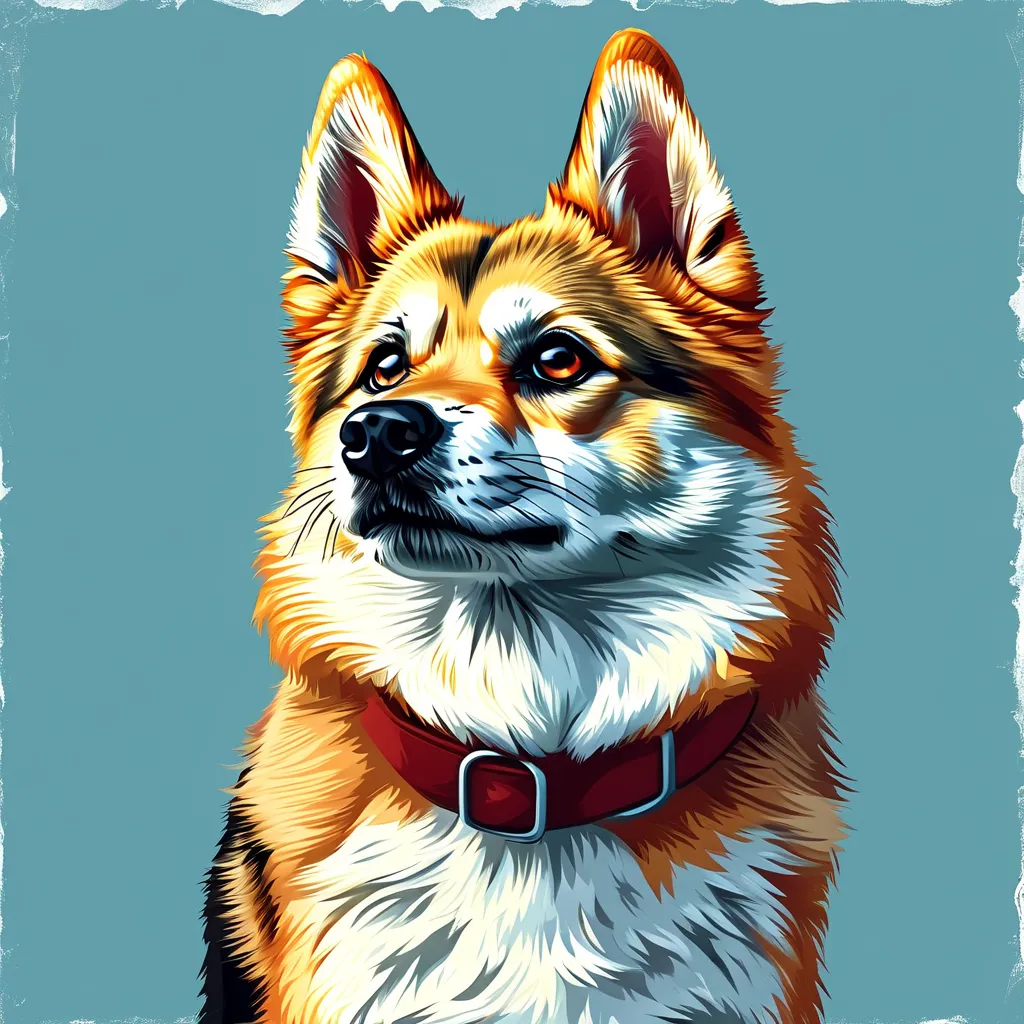
The combination of these two breeds aims to create a dog that inherits the best qualities from both. This often results in a Pomsky with the Husky’s affectionate nature and energy, combined with the Pomeranian’s alertness and smaller size. The coat type is typically a mix, often requiring regular grooming, and the size can vary significantly depending on the lineage.
The Evolution of the Breed
The development of the Pomsky is still ongoing. The process involves creating multiple generations to stabilize the desired traits and characteristics. Breeders carefully select parent dogs with compatible temperaments, physical attributes, and importantly, healthy genetics.
Reputable breeders often aim to produce a breed standard, outlining the ideal Pomsky’s appearance, temperament, and health markers. They understand that producing a consistent and healthy breed takes time and careful planning, moving beyond simple crosses to focus on linebreeding and genetic diversity to minimize potential health issues.
The Pomsky Breeding Process: Steps and Considerations
Breeding two purebred dogs (or specific lines) to create a designer breed like the Pomsky is a complex process requiring careful planning, knowledge, and commitment. It’s not a simple task and involves more than just placing a dog in heat.
Pre-Breeding Preparation
Before introducing any dogs for breeding, extensive preparation is necessary:
Health Testing: This is arguably the most critical step. Responsible breeders rigorously health test both potential parent dogs for common hereditary conditions relevant to both the Siberian Husky and Pomeranian lineages. This includes screening for:
- Husky potential issues like hip dysplasia, eye problems (Progressive Retinal Atrophy – PRA, Collie Eye Anomaly – CEA), and thyroid disorders.
- Pomeranian potential issues like luxating patellas, hip dysplasia, eye problems (Lens Luxation, Cataracts), and dental issues.
- Common conditions in small breeds like allergies, heart conditions, and portosystemic shunt (PSS).
Vets provide certificates confirming these tests. Without comprehensive health screening, breeding significantly increases the risk of passing on serious genetic diseases. Pomsky Dog 101: Info & Puppies for Sale
Temperament Assessment: Both parent dogs and potentially older siblings should undergo thorough temperament testing. This evaluates their socialization, reactivity, trainability, and suitability as family companions. A well-balanced, stable temperament is crucial for a healthy, well-adjusted Pomsky.
Genetic Diversity and Linebreeding: Responsible breeders consider the genetic diversity of their breeding stock. While some controlled linebreeding may be used to reinforce desirable traits, it should be done carefully to avoid concentrating harmful recessive genes. Maintaining a diverse gene pool helps reduce the risk of inherited disorders.
The Breeding Itself
The actual mating process can occur naturally or artificially (e.g., artificial insemination). Many Pomsky breeders initially use natural mating between compatible dogs introduced carefully by the breeder. Portland Pomskies: Seamless Navigation & Easy Transactions
Confirmation of Estrus: The female dog (Pomeranian or Husky lineage) must be confirmed in heat. This involves monitoring her behavior, physical changes, and often using ovulation prediction kits or consulting with a veterinarian experienced in canine reproduction. Everything You Need to Know About Pomskie: Info, Care, Cost & Adoption
Mating: Breeders typically perform multiple matings during the fertile window (usually 2-5 days, depending on the individual dog) to maximize the chance of successful conception. This often involves several introductions between the male and female over a short period.
Pregnancy and Whelping: If successful, the female will carry a pregnancy for approximately 63 days (around two months). Regular veterinary check-ups are essential throughout gestation to monitor the mother’s health and the developing puppies.
The birthing process (whelping) requires a clean, quiet, and safe environment. The breeder should be prepared to assist if complications arise. Puppies are typically weaned around 6-8 weeks of age.
Costs Involved in Breeding Pomskies
Breeding a Pomsky is not inexpensive. Costs are often higher than many people anticipate due to the specific needs of the parent breeds and the meticulous care required throughout the process.
Direct Costs
Here’s a breakdown of the primary financial commitments:
- Premium Quality Breeding Stock: Reputable breeders invest significantly in healthy, well-tested, and desirable foundation and breeding dogs. Their price reflects their quality and potential.
- Health Testing and Certificates: Obtaining and maintaining health clearances for both parents incurs veterinary costs. This is a crucial investment in the puppies’ long-term health.
- Quality Nutrition: Maintaining the optimal health and condition of breeding dogs requires specialized, high-quality diets, which can be costly.
- Veterinary Care During Breeding and Gestation: Regular check-ups, potential for estrus testing kits, and veterinary supervision during pregnancy add up. Emergency care is also a possibility.
- Whelping Supplies and Environment: Kitten/puppy boxes, heating pads (for the first few weeks), whelping box setup, and potentially medications for the mother and puppies.
- Puppy Rearing: Quality puppy food, supplements (like calcium if recommended by a vet), and potential veterinary costs for the puppies during their early weeks.
- Registration Fees: If the breeder registers with a recognized organization (though few formally recognize Pomskies), there are associated fees.
Indirect Costs
Beyond direct expenses, there are significant indirect costs:
- Time Commitment: Breeding involves substantial time investment, from selecting and preparing the dogs, managing heat cycles, caring for the pregnant female, assisting during whelping, raising the puppies, and handling potential emergencies.
- Facility Requirements: Breeders need adequate space for the adult dogs and, if applicable, for the whelping area without interfering with their own lives. This can require separate housing or careful scheduling.
- Time with Puppies: Socializing and raising puppies requires significant daily interaction and care, often limiting other activities or employment.
Transactional Considerations
If you are considering acquiring a breeding pair or a litter from a breeder (the transactional aspect), understand that the price reflects the quality, lineage, health guarantees, and the breeder’s reputation and ethical standards. Prices can vary widely based on the specific genetics, appearance potential, and the breeder’s location and experience. Be wary of excessively low prices, which often indicate poor health, unethical breeding practices, or inadequate preparation.
Breeding is a serious undertaking requiring financial resources, time, and a deep commitment to the well-being of the dogs involved. It’s not a pursuit for profit by many enthusiasts;