Red Pomsky Informational: A Complete Guide to Care, Colors & Traits
Welcome to the world of the Pomsky, a captivating hybrid breed that has quickly captured the hearts of dog lovers everywhere. Among the most sought-after variations of this designer dog is the enchanting Red Pomsky. This article provides a comprehensive informational guide, delving into the origins, distinctive characteristics, color genetics, temperament, and essential care requirements for owning a Red Pomsky. Whether you’re considering bringing one of these delightful creatures into your home or simply seeking knowledge about this unique breed, this guide aims to cover everything you need to know about the Red Pomsky Informational.
The Pomsky: A Brief Origin and Overview
The Pomsky is a relatively new addition to the world of mixed-breed dogs, first appearing in the early 2000s. As the name suggests, this breed results from crossing a small, fluffy Pomeranian with a larger, more outgoing Siberian Husky. The goal of breeders was to create a dog that combined the Pomeranian’s smaller size and fluffiness with the Husky’s friendly nature, stunning coat patterns, and energetic disposition.
While the Pomsky is often considered a designer dog, meaning its lineage involves two purebred parent breeds, its recognition is still growing. This relatively new status means that breeders and owners are continually learning more about the breed’s specific traits and potential health concerns. The Pomsky’s appeal lies in its unique appearance and the charming blend of characteristics inherited from both parent breeds.
Unveiling the Red Pomsky: Appearance and Color Genetics
The “Red” in Red Pomsky refers primarily to coat color variations. While the Pomsky breed standard often emphasizes patterns like Dalmatian or Harlequin, red variations are highly popular. Understanding the genetics behind the red coat can be fascinating for enthusiasts.
It’s important to note that the term “Red Pomsky” isn’t always strictly defined by genetics alone. It often refers to:
- Dusty Red or Light Red: Dogs with a base coat that leans towards red or orange, often appearing light or sandy.
- Isabella (Rosé): A light cream or pale fawn color, which is a diluted form often linked to red genetics.
- Brindle Red: A coat pattern featuring red undertones blended with darker stripes.
- Bicolor/Parti with Red: Harlequin or Dalmatian-patterned Pomskies that have a significant amount of red or fawn coloration alongside their white or black base.
Genetics of Red: Red is generally considered a recessive color trait in dogs, similar to its expression in Huskies and Malamutes. Often, the red pigment is associated with the recessive ‘b’ allele at the B locus (officially designated as B/b). For a Pomsky to express a true red coat (or similar pale fawn/cream colors), it often requires inheriting two copies of this recessive allele (bb). Breeding for specific colors like red requires careful genetic planning by responsible breeders aiming to stabilize these traits. Always ask breeders about their color breeding practices and genetic understanding.
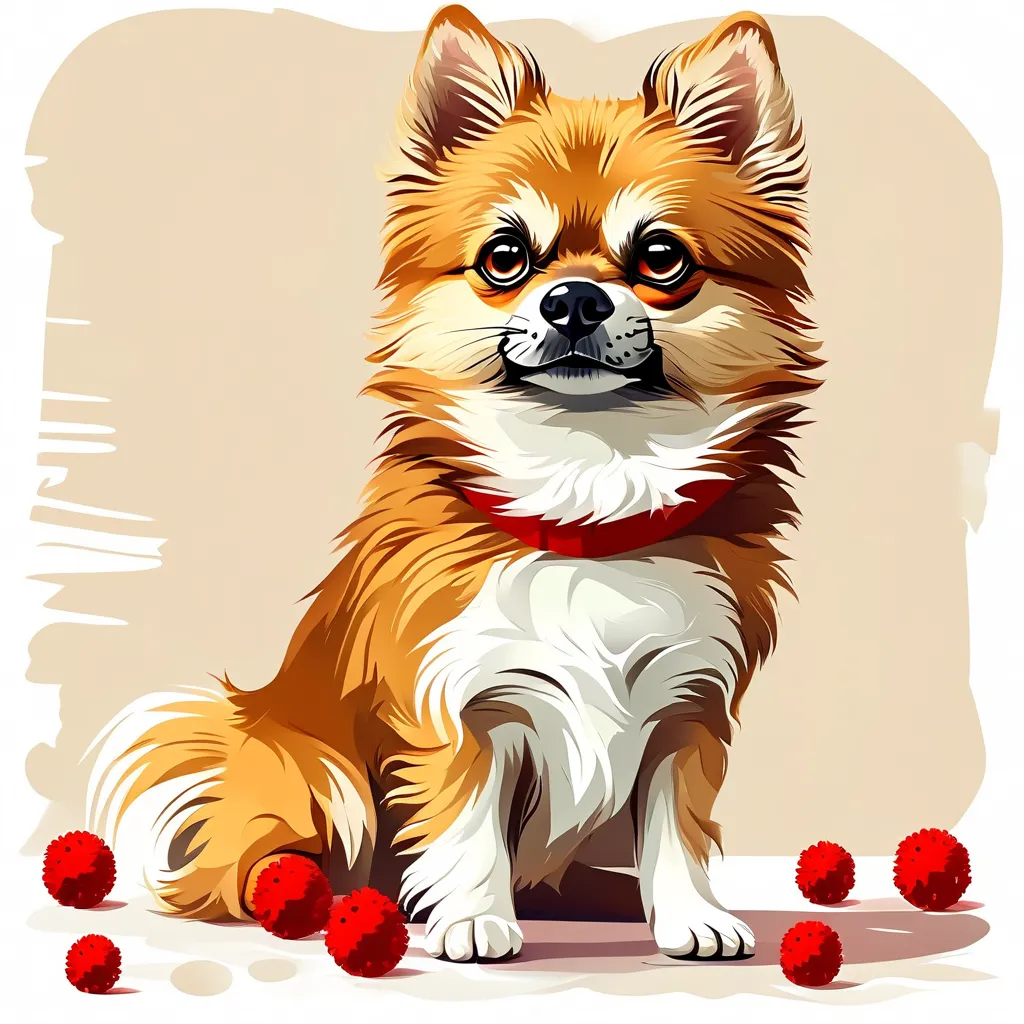
The Red Pomsky typically inherits the fluffy double coat characteristic of the Pomeranian, often with a denser undercoat and a slightly longer outer coat compared to purebred Huskies. Their eyes are usually large and expressive, often amber, blue, or heterochromatic (two different colored eyes), a trait commonly inherited from the Husky parent. Their ears are floppy, similar to the Pomeranian’s, but may have a slightly more pointed tip.
Pomsky Temperament and Personality
The Pomsky temperament is a delightful blend of its parent breeds. These dogs are generally known for being:
Playful and Energetic: Inheriting energy from the Husky, Pomskies require regular physical activity and mental stimulation. They are often described as having playful antics and a cheery personality. They enjoy playtime, walks, hiking, and interactive toys. Pomsky Shedding Informational: Everything You Need to Know About Controlling That Fur Fallout!
Friendly and Social: Like their Husky parent, Pomskies are typically friendly and outgoing towards people. They often get along well with families, children (with proper supervision), and other pets, although early socialization is crucial. Their Pomeranian lineage adds a touch of alertness, making them good at being alert companions.
Loyal Companions: Pomskies form strong bonds with their families and thrive on human companionship. They are not typically left outside or ignored for long periods, as they prefer to be part of the household action.
A bit Stubborn (Husky Influence): The Husky’s independent streak can sometimes manifest as stubbornness during training. Consistent, positive reinforcement methods work best with this intelligent breed. Patience is key. Ready to welcome a Pomsky into your home? Adoption Now!
Intelligence: Pomskies are quick learners but also possess a mischievous streak. They need mentally challenging activities to keep them happy and prevent boredom-related behavior issues.
Overall, the Pomsky is often described as a happy, adaptable, and affectionate dog. They are not typically guarding dogs but make excellent family pets and companions. Their vocal nature, another trait potentially inherited from Huskies, means they might bark to alert their owners to things they see or hear.
Caring for Your Red Pomsky: Health, Training, and Exercise
While generally healthy, responsible Pomsky owners should be aware of potential health issues, common to both Pomeranian and Siberian Husky lineages. These can include patellar luxation, eye problems (like Progressive Retinal Atrophy – PRA), hip dysplasia (less common than in larger breeds but still possible), and allergies. Responsible breeders perform health clearances on their breeding stock. Regular veterinary check-ups are essential. Discover Pomsky Images: Your Ultimate Guide to This Unique Breed
Grooming Needs: The Red Pomsky’s coat requires significant maintenance. Their double coat sheds heavily, especially during seasonal changes. Regular brushing (multiple times a week, sometimes daily) is necessary to prevent matting and control shedding. Professional grooming (clipping) is often recommended 2-4 times a year to keep the coat healthy and manageable. Ear cleaning is also important to prevent infections.
Exercise Requirements: Pomskies are an active breed. They need daily exercise to burn off energy and maintain good physical and mental health. This includes walks, playtime, and activities like hiking or agility training. The Husky lineage means they have a strong prey drive and can be good escape artists, so secure fencing is necessary.
Training and Socialization: Early and ongoing socialization is vital for any young Pomsky, helping them become well-adjusted adults. Training should start early using positive reinforcement techniques. Their intelligence makes them capable learners, but their potential stubbornness requires patience and consistency. Enrolling in training classes is highly recommended.
Bringing a Red Pomsky Home: Responsible Ownership
Before welcoming a Red Pomsky into your home, consider if this active and vocal breed is the right fit for your lifestyle. They require:
- Commitment: Time for training, exercise, grooming, and companionship.
- Space: While adaptable to various living situations, they generally do best in homes with access to a yard and enough room to move around.
- Financial Investment: Costs associated with food, grooming, veterinary care, potential boarding/crating fees, and possibly professional grooming.
- Allergy Considerations: While Pomeranian influence might suggest lower shedding, Pomskies still shed significantly. People with severe allergies should spend time with the breed before committing.
If adopting from a breeder, choose one who prioritizes health testing, ethical practices, and provides comprehensive information about the puppy’s background and care needs. If rescuing a Pomsky, be prepared for potential health or behavioral issues that might not be fully known.
Conclusion: The Allure of the Red Pomsky
The Red Pomsky is more than just a pretty face; it’s a unique hybrid breed combining the best traits of two iconic spitz breeds. From their stunning coats and playful personalities to their loyal nature and energetic spirit, they offer a rewarding companionship experience for the right owners. While the “Red” variation adds a specific color appeal, the core characteristics of this breed are defined by its blend of Pomeranian and Husky genetics.
Whether you’re drawn to the Red Pomsky Informational for its rarity, its striking appearance, or its delightful temperament, owning one requires a commitment to providing proper care, training, exercise, and love. If you meet the needs