Pomsky Shedding Informational: Everything You Need to Know About Controlling That Fur Fallout!
Welcome, proud Pomsky owners and future enthusiasts! If you’re reading this, chances are you’re either navigating the glorious chaos of owning a Pomsky puppy or anticipating the joys (and challenges) of bringing one home. One topic that inevitably surfaces is **Pomsky shedding**. It’s a subject that blends biology, grooming, and a healthy dose of patience. Don’t worry, understanding your Pomsky’s shedding patterns is key to managing it effectively and keeping your home and your furry companion happy.
Understanding the Pomsky’s Coat: The Root of the Shedding
To effectively manage shedding, it’s crucial to understand why Pomskies shed. Pomskies are a relatively new breed, resulting from the crossing of two distinct breeds: the Pomeranian and the Siberian Husky. This mix results in a coat that’s a fascinating blend of characteristics from both parents.
Both parent breeds are known double-coated breeds. A double coat consists of two layers:
- The Undercoat: This is the soft, dense, insulating layer next to the skin. It’s produced continuously and is essential for warmth.
- The Outer Coat (Guard Hair): This is the longer, coarser, protective layer on top. It sheds periodically as part of the grooming process.
Pomskies inherit this double coat structure. They are not single-coated like a Labrador Retriever or hairless like a Cornish Rex. This double coat is incredibly effective for insulation, especially given the Husky’s Arctic origins and the Pomeranian’s cold tolerance from the Baltic region. However, it also means their bodies are designed to shed significant amounts of fur.
The Shedding Mechanism: Dogs shed their fur continuously throughout the year as part of natural grooming. Old, damaged, or excess fur is replaced. However, breeds like the Pomsky, with their double coats, experience more pronounced shedding periods known as “blow-outs.” During these times, the dog sheds its entire undercoat layer in large quantities, significantly increasing the amount of fur that ends up on your floors, furniture, and clothing.
The Pomsky Shedding Timeline and Seasonality
While Pomskies shed moderately year-round, their shedding isn’t random. They follow specific patterns, primarily influenced by daylight changes and genetics.
Based on the reference information and general knowledge of similar breeds:
- Year-Round Mild Shedding: Pomskies shed their dead hairs continuously. This means you’ll always find stray hairs around the house. This constant shedding helps remove the outer coat and weakens the grip of the undercoat, making it easier to shed during the heavy periods.
- Major Shedding Cycles (Blow-Outs): Pomskies typically experience two significant shedding cycles per year. These blow-outs are when they shed their entire undercoat. The reference information specifically mentions these occurring around **spring (often peaking in June) and fall (often peaking in January)**. Some owners might notice activity slightly earlier or later, but these are the main drivers of seasonal fur explosions!
- Age Factor: The reference information notes that shedding becomes more pronounced at around 1 year of age. Puppies might shed less predictably as they grow, but their adult shedding pattern will generally align with their parent breeds’ tendencies.
During these blow-out periods, the shedding process can persist for about 90 days, meaning a significant amount of fur is released over that timeframe. It’s during these times that consistent grooming becomes absolutely essential to manage the fallout.
Strategies for Controlling Pomsky Shedding: Grooming is Key
The good news is that while your Pomsky will shed, you can significantly control the amount of fur that ends up on your carpets and clothes. The most effective strategy involves regular brushing and potentially other methods.
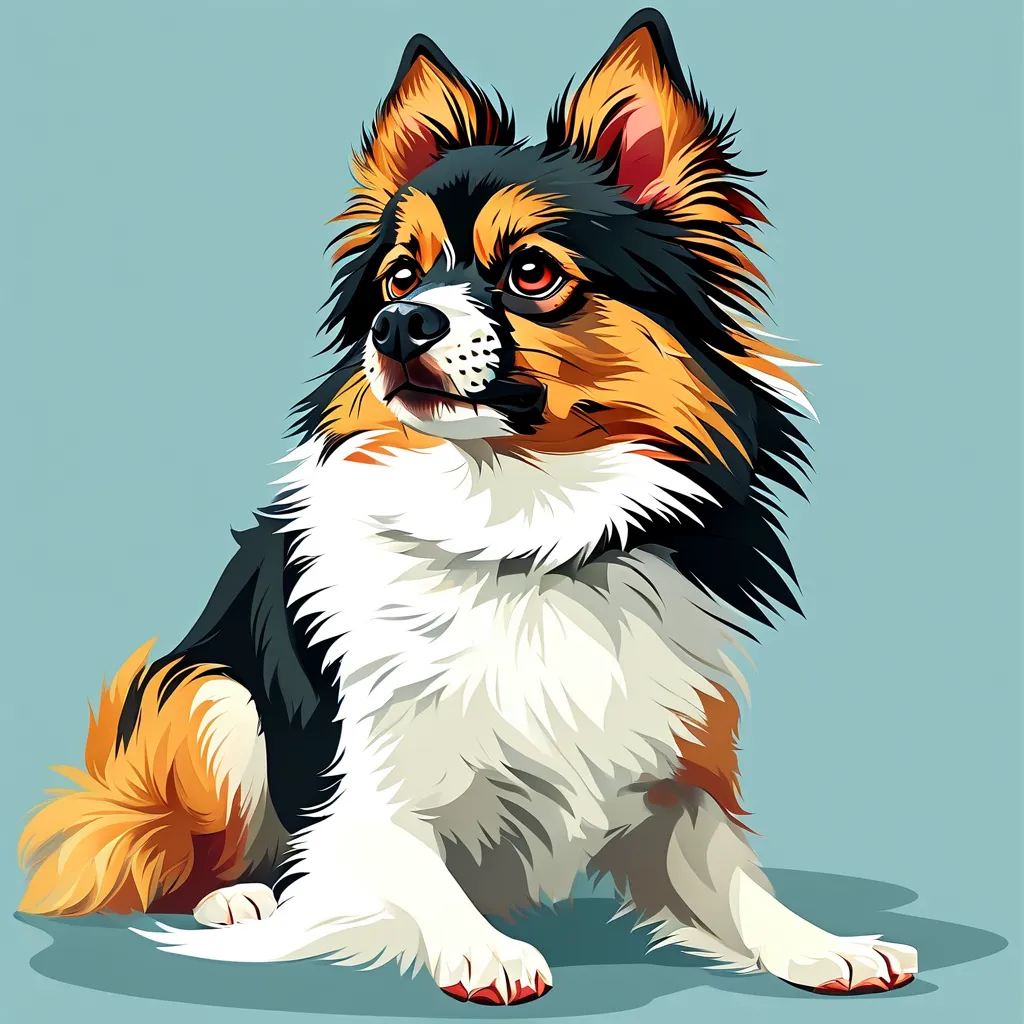 Ready to welcome a Pomsky into your home? Adoption Now! **Discover the Pomsky Breed: Everything You Need to Know About This Unique Hybrid**
The Golden Rule: Don’t Shave! A common misconception is that shaving a dog’s coat will reduce shedding. For Pomskies and double-coated breeds, this is strongly discouraged. Shaving removes the natural protective outer coat, leaving the sensitive undercoat exposed. This can lead to sunburn, skin problems, and actually *increases* shedding as the dog tries to grow back a normal coat. Let the seasons and natural cycles regulate their fur length.
Instead, focus on positive grooming habits:
- Regular Brushing: This is the cornerstone of managing **Pomsky shedding**. Brushing removes the loose undercoat before it can shed out, prevents matting, and distributes natural skin oils.
- Frequency: The reference information suggests brushing twice a day can lessen shedding. While this is intensive, brushing two to three times a week is highly effective for most Pomskies. Increase frequency during heavy shedding seasons.
- Brushing Tools: You’ll need the right tools for the job:
- Slicker Brush: Excellent for removing loose undercoat and tangles in the outer coat.
- Straight-Blade Undercoat Raker or Pin Brush: These are specifically designed to penetrate deep into the undercoat to lift and remove it effectively.
- Technique: Be gentle but firm. Start at the head and work your way down the body. Focus on areas prone to matting and heavy undercoat, like behind the legs, under the ears, and around the base of the tail. Work through knots carefully, using light tension and perhaps sectioning the area.
Consider professional grooming. A skilled groomer experienced with double-coated breeds can expertly strip or hand-strip the undercoat during heavy shedding periods. This mimics the natural replacement process, removing dead undercoat without pulling or damaging the healthy hair. This is often the most effective single method for controlling heavy **Pomsky shedding**, although it requires regular visits. Pomsky Purchase Price Guide: What to Expect in 2024 (Cost Breakdown)
Other Potential Methods (Use with Caution):
- Diet and Supplements: A balanced diet supports overall skin and coat health. Omega-3 fatty acid supplements (after consulting your vet) can sometimes help improve coat condition, potentially reducing excessive dryness or oiliness that might contribute to shedding, but they won’t eliminate it entirely.
- Environmental Factors: Using a humidifier during dry winter months might help prevent excessively dry skin and coat, although its direct impact on shedding volume is debatable. Air purifiers can help manage airborne fur.
- Exercise: Regular exercise promotes healthy skin and circulation, which can support overall coat health.
Living with Pomsky Shedding: Tips for Owners
Accepting that your Pomsky will shed is part of the ownership experience. Here’s how to manage it effectively:
- Be Prepared: Especially during shedding seasons, have lint removers, sticky rollers, and a vacuum cleaner readily available. Clean furniture and bedding more frequently.
- Brush in Short Sessions: Even a few minutes of brushing daily is better than one long session you might forget. Consistency is key.
- Protect Yourself: Wear a disposable brush glove or an old t-shirt when brushing to make cleanup easier and prevent fur from sticking to your clothes.
- Consider Flooring: Hard-surface flooring makes sweeping and vacuuming easier than carpet.
- Patience and Persistence: Managing **Pomsky shedding** takes time and effort. Don’t get discouraged. The benefits of a well-groomed coat for your dog’s skin health and comfort are well worth the work.
The Final Fur Coat: Embracing the Pomsky’s Nature
In conclusion, understanding and managing **Pomsky shedding** is a fundamental aspect of responsible ownership. Their beautiful double coat, a testament to their mixed heritage, requires dedicated care to prevent matting and minimize the fur fallout that comes with heavy shedding cycles.
By implementing a consistent grooming routine using appropriate brushes, understanding the seasonal shedding patterns, and resisting the urge to shave, you can significantly control the amount of fur your Pomsky releases. Remember, the occasional furball on the carpet is a small price for the warmth, companionship, and stunning coat of your Pomsky companion.
So, embrace the fluff, master the brush, and enjoy the unique bond you share with your shedding superstar!