Discover Pomsky Images: Your Ultimate Guide to This Unique Breed
Welcome to your comprehensive guide on the enchanting world of the Pomsky! If you’ve ever searched for “pomsky images” or encountered this relatively new designer breed online, you’ve likely been drawn in by their striking resemblance to wild canines combined with a playful, charming personality. The Pomsky, a delightful blend of a Pomeranian and a Siberian Husky, has captured the hearts and imaginations of dog lovers worldwide. This guide delves deep into what makes the Pomsky so unique, exploring their origins, physical characteristics, temperament, and essential care needs. Whether you’re considering adding one of these captivating canines to your family or simply fascinated by this popular crossbreed, we aim to provide you with thorough information. Let’s embark on a journey to discover the Pomsky, often referred to as a “Wolf Dog in Disguise,” through the lens of available “pomsky images” and beyond.
Unraveling the Origins: The Pomsky’s Designer Beginnings
The story of the Pomsky is relatively recent compared to many established breeds. As a **designer dog**, its existence is a testament to the growing popularity of crossbreeding purebred dogs to combine desirable traits. The primary goal behind creating the Pomsky was to develop a smaller version of the Siberian Husky, retaining its signature fox-like appearance and energetic nature, but mitigating some of the larger size and potentially stronger prey drive associated with the full-grown Husky.
While there isn’t a single documented lineage for the breed, the general consensus is that the Pomsky emerged in North America during the early 2000s. Dedicated breeders began strategically pairing Pomeranians and Siberian Huskies to achieve the desired size and coat type. The objective was to create a companion dog that was:
- Incredibly small (typically reaching only 10-14 inches at the shoulder)
- Inheriting the Husky’s coat pattern, often featuring merle, dapple, or bi-color variations
- Maintaining the Pomeranian’s fluffiness and hypoallergenic potential
- Combining the Husky’s playful spirit with the Pomeranian’s alertness
It’s worth noting that the Pomsky is not a recognized purebred by major kennel clubs like the American Kennel Club (AKC). However, this hasn’t stopped the breed from gaining immense popularity, largely fueled by dedicated breeders and the abundance of “pomsky images” shared online, showcasing their unique looks. These images often highlight their wolf-like features, which are a key draw for many potential owners. When searching for “pomsky images,” you’re likely seeing examples of their distinctive facial structure, large expressive eyes, and curled tails reminiscent of their Pomeranian parent, combined with the almond-shaped eyes and ear shape of the Husky.
Physical Appearance: A Blend of Adorable and Wild
One of the most striking reasons people search for “pomsky images” is undoubtedly their unique and captivating physical appearance. Pomskies are often described as looking like “miniature Huskies” or “Wolf Dogs in Disguise.” This unique look is a direct result of the cross between two distinct breeds.
Size and Weight: Pomskies are generally a small breed, typically weighing between 10-20 pounds and standing 10-14 inches tall. This compact size makes them suitable for various living situations, including apartments, provided they receive adequate exercise and mental stimulation.
Coat and Colors: The coat is a crucial aspect of the Pomsky’s appearance. They inherit the dense, fluffy coat from the Pomeranian and the potential for a variety of patterns from the Husky. Common coat types include:
- Pommeranian Coat: Fluffy, dense, and often hypoallergenic to a degree.
- Husky Influence: Potential for a coarser outer coat, and sometimes a seasonal undercoat, contributing to their “wolf-like” look.
Color variations are wide-ranging and often a major point of interest. “Pomsky images” frequently showcase:
- Merle (patches of color against a base color like white, black, or brown)
- Dapple Merle (a more complex pattern with overlapping color patches)
- Bi-color (two distinct colors, often white/black or white/brown)
- Brindle (striped pattern resembling a tiger’s stripes)
- Solid Colors (though less common)
Their facial features are particularly noteworthy. They typically have: Pomsky Pictures & Information: A Complete Guide and Gallery Discover Pomsky Pictures & Informational Guide
- Large, expressive eyes (often blue, brown, or heterochromatic – different colored eyes)
- Distinctive “fox ears” – often folded forward, giving them an alert and curious expression
- A characteristic tail – usually tightly curled under like a Pomeranian, rather than the straight, fluffy Husky tail
Their overall appearance is a charming juxtaposition – the fluffy pom-poms of a Pomeranian combined with the piercing gaze and unique coat patterns of a Husky. This visually striking combination is a primary reason why “pomsky images” are so popular and instantly recognizable.
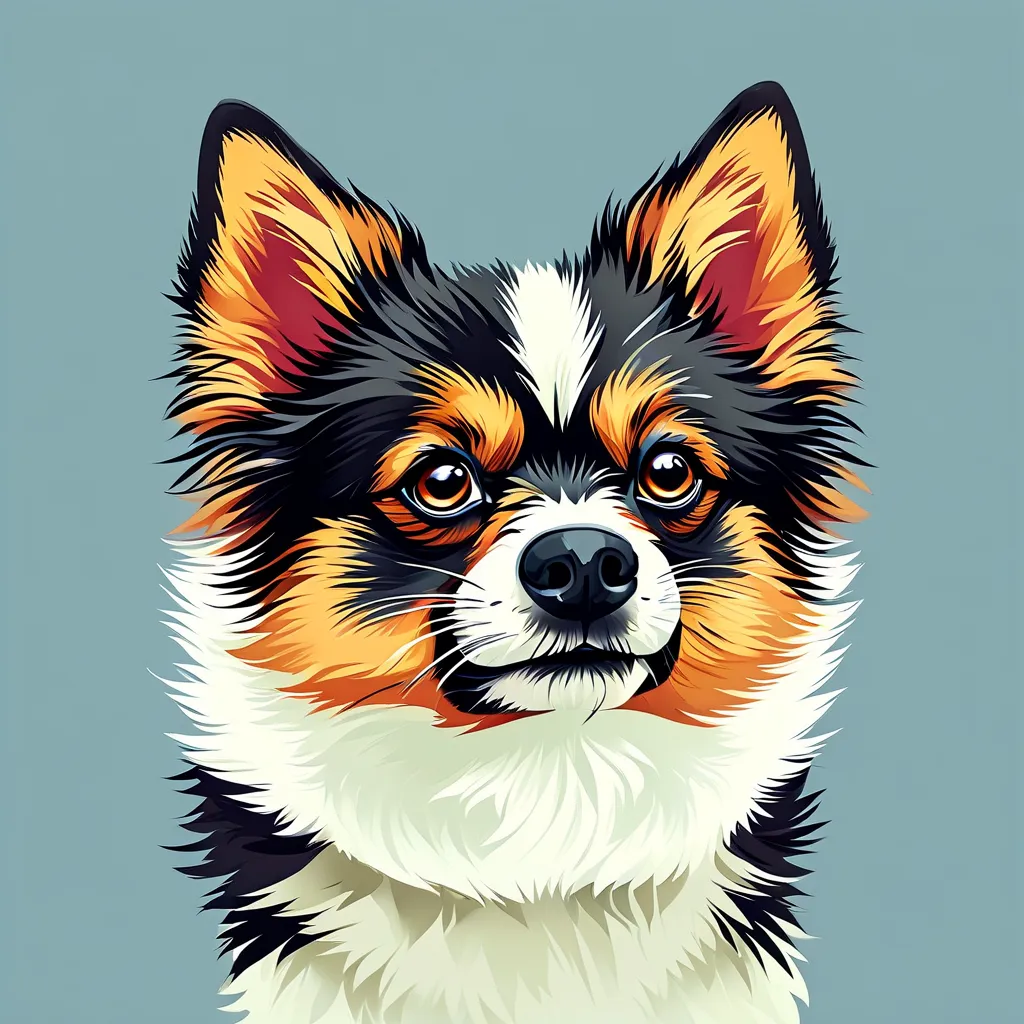
Temperament and Personality: Energetic, Intelligent, and Social
Beyond their stunning looks, understanding the Pomsky’s temperament is crucial for any potential owner. The Pomsky inherits a wonderful blend of personality traits from both parent breeds. Discover Pomsky Puppies Pictures: Adorable Gallery & Info
Intelligence and Trainability: Both Pomeranians and Huskies are intelligent breeds. This makes Pomskies generally quick learners, though their independent streak, particularly leaning towards the Husky side, can sometimes mean they have their own opinions! Consistent and positive reinforcement training methods work best. They enjoy learning tricks and engaging activities, which helps channel their intelligence positively.
Playfulness and Energetic Nature: Pomskies are known for being playful companions. They inherit the Husky’s energy and the Pomeranian’s lively spirit. They thrive on interaction and playtime with their human families. Without sufficient exercise and mental engagement, they can become bored and develop destructive chewing habits.
Social Needs: These dogs are generally social and enjoy the company of their human companions. While typically not overly vocal like some other breeds, they might yap to alert their owners to perceived intruders or express excitement. Their “wolf-like” appearance can sometimes lead to misconceptions about their independence or need for a pack structure, but they generally bond strongly with their families and appreciate being part of the household.
Compatibility: Pomskies generally get along well with children and other pets, especially if introduced gradually and properly socialized from a young age. Their small size means they might be better suited for homes without very young children who could inadvertently roughhouse, but their alert nature makes them good guard dogs in spirit. It’s essential to research reputable breeders who prioritize health and temperament screening, ensuring the puppy comes with a sound disposition.
When searching for “pomsky images,” remember that while pictures capture their physical beauty, the temperament requires careful consideration. Responsible ownership involves understanding their energy levels, trainability, and social needs to ensure a harmonious relationship.
Caring for Your Pomsky: Health, Diet, and Exercise
Welcoming a Pomsky into your home is a rewarding experience, but it comes with specific responsibilities regarding their care. Understanding their needs, particularly concerning health, diet, and exercise, is vital for ensuring they live a happy and healthy life.
Health Considerations: As a relatively new designer breed, Pomskies haven’t undergone the extensive health testing of older breeds. However, they can inherit health issues common to both Pomeranians and Siberian Huskies. Potential concerns include:
- Dental Issues (common in small breeds)
- Hip Dysplasia (a joint disorder more common in larger breeds, but possible)
- Patellar Luxation (knee problems)
- Husky-Specific Issues: Cryptorchidism (undescended testicles), Progressive Retinal Atrophy (PRA), Collie Eye Anomaly (CEA), and potential sensitivity to anesthesia due to a lack of A23187 glucose-6-phosphate dehydrogenase (G6PD).
Obtaining a Pomsky from a reputable breeder