Discover the Pomsky Breed: Everything You Need to Know About This Unique Hybrid
The canine world is constantly evolving, and one relatively new addition that has captured hearts globally is the Pomsky breed. These enchanting designer dogs, a cross between the spirited Pomeranian and the majestic Siberian Husky, are anything but ordinary. Their unique appearance, often described as utterly captivating, combined with their playful personalities, has made them incredibly popular in the past decade.
Often referred to as a “designer dog,” the Pomsky is a relatively recent creation, emerging primarily as a result of deliberate breeding efforts in North America during the early 2000s. While the exact origins are sometimes debated, the goal was consistently the same: to combine the best traits of two distinct breeds into one adorable package. This guide delves deep into the Pomsky breed, exploring their origins, physical characteristics, temperament, care needs, and considerations for potential ownership.
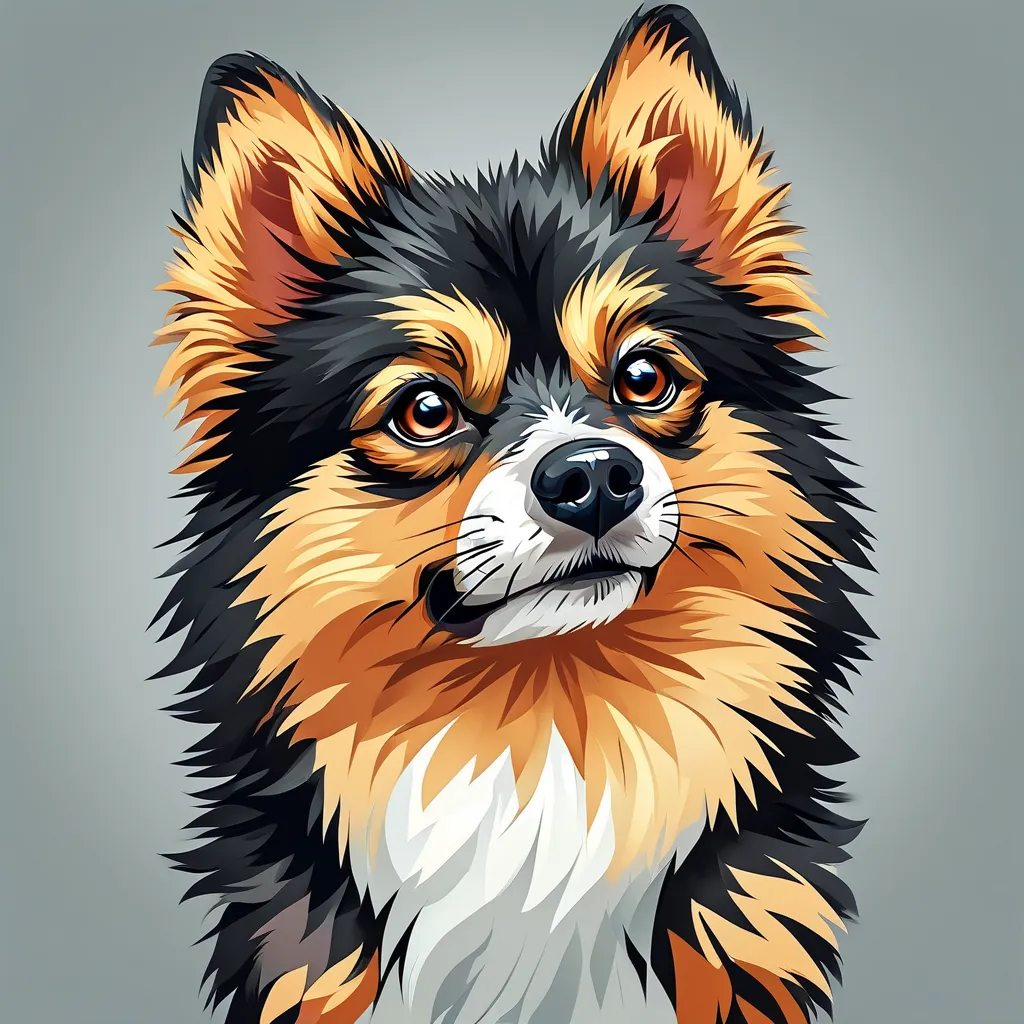
Origins and Development: The Designer Dream
The story of the Pomsky breed begins with a simple desire: to create a smaller version of the Husky. According to many sources, the first documented Pomsky was developed in the United States around 2004. A breeder crossed a Pomeranian with a Siberian Husky to achieve a dog with the Husky’s coat type and color variations but a more manageable size, reminiscent of a young Husky puppy.
The initial crosses aimed for a dog that retained the playful and intelligent nature of both parent breeds but was smaller and perhaps easier to manage for some households. The Pomeranian, a small spitz breed from Germany, contributes a lively, alert demeanor and a distinctive double coat. The Siberian Husky, originating from Russia, brings its striking blue or multi-colored eyes, a thick coat for cold weather, independence, and a famously cheerful, sometimes mischievous, personality.
Breeding these two distinct breeds presented challenges. The physical differences are significant, from size to skull shape. Responsible breeders focused on finding compatible pairings to produce healthy litters with desired traits like coat texture, eye color, and temperament. It’s important to note that the Pomsky is not a recognized purebred by major kennel clubs like the American Kennel Club (AKC), as they are considered a mixed-breed or designer breed resulting from the crossing of two purebred dogs. However, their unique lineage and consistent traits have earned them a significant place in the hearts of dog lovers worldwide.
Despite their relatively recent emergence, Poms have quickly gained popularity, particularly through online communities and social media platforms. Their unique look and perceived “puppy-like” charm are major draws. Breeders continue to refine the breed, focusing on health and temperament alongside desired physical characteristics.
Physical Appearance: A Truly Unique Package
One of the most striking aspects of the Pomsky is their physical appearance. They are often described as looking like a “puppy” even when fully grown, thanks to their small size and expressive features. Their coats are a primary feature, a direct result of the Husky parent.
Coat Type and Colors: Poms inherit a double coat from both parents. The undercoat is soft and dense, providing insulation, while the outer coat is longer, coarser, and water-resistant. This combination requires regular grooming to prevent mats and tangles. The coat colors are incredibly diverse, largely due to the Husky parent’s wide range of color possibilities. Common colors include white, grey, black, red, cream, and various combinations. Markings can include solid colors, brindle, sable, harlequin (patches), dappled, or even roan patterns. The characteristic Husky blue or heterochromatic eyes are also a common trait, though brown eyes are also frequent.
Size Variety: One of the defining characteristics often sought in Poms is their smaller size compared to a full-grown Husky. While size can vary based on lineage and genetics, the ideal Pomsky is generally considered a small to medium-sized dog. Males typically weigh between 10-20 pounds (4.5-9 kg), and females between 8-15 pounds (3.6-6.8 kg). Some bloodlines may produce slightly larger individuals, but the “toy” or “miniature” Husky influence is often emphasized for the smaller size. Everything You Need to Know About Tiny Poms: A Mini Pomsky Facts and Guide
Head and Expression: The Pomsky’s head shape is often a blend of the Pomeranian’s wedge shape and the Husky’s broader features. They possess a relatively large head with a domed skull and expressive eyes. Their eyes are particularly captivating, often large and round, contributing significantly to their “puppy-dog” look. The overall expression is intelligent and alert. The Ultimate Guide to the Pomsky Breed – Everything You Need to Know
Overall Impression: Poms are compact, agile dogs with a plush appearance. Their legs are sturdy, and their body is proportionate to their size. They have a high tail (often carried like a plume) and a dense, insulating coat that requires regular maintenance. Their appearance is undeniably unique and undeniably charming.
Temperament and Personality: Playful Companions
Beyond their stunning looks, the Pomsky’s personality is another major draw. They inherit a fascinating mix of traits from their Husky and Pomeranian ancestors, resulting in an energetic, intelligent, and often playful companion.
Intelligence and Trainability: Poms are highly intelligent dogs. Their cleverness comes from both parent breeds; the Pomeranian is known for being clever and independent, while the Husky is renowned for its problem-solving abilities. This intelligence makes them relatively quick learners, but it also means they can become easily bored. Consistent training using positive reinforcement methods is key. They enjoy learning tricks and activities, making mental stimulation crucial for their well-being.
Energy Levels: Don’t be fooled by their small size. Poms have the energy levels of their larger ancestors! They are an active breed that requires regular exercise and playtime. Daily walks, trips to the park, and interactive play sessions are essential. They were bred from working dogs (Huskies) and need opportunities to burn off energy to prevent destructive behavior. Their Pomeranian lineage also contributes a playful and sometimes mischievous streak. Discover Pomsky Puppies Pictures: Adorable Gallery & Info
Social Needs: These are generally social dogs that thrive on human companionship. They are not typically suited for being left alone for long periods, as they can become lonely or develop separation anxiety. While generally good with families, they can also get along well with other pets if introduced properly, though their prey drive (from the Husky side) should always be considered, especially around smaller animals.
Vocalization: Like Huskies, Poms have a strong bark and can be quite vocal. They might alert their owners to various sounds or simply express excitement. While they are not typically yappers like some other breeds, they do communicate through barking, howling, or whining.
Compatibility: Poms can adapt well to various living situations – apartments are possible if they receive enough exercise and mental stimulation, but a yard is certainly beneficial for play. They are generally good with children if supervised (gentle nipping might occur due to prey drive or teething in puppies), older adults, and other pets if properly introduced and socialized from a young age. Their “puppy-dog” eyes and playful nature make them excellent therapy dogs in some settings.
Care Requirements: A Loving Home Needs These Details
Welcoming a Pomsky into your home requires commitment to their specific needs, particularly concerning grooming, diet, exercise, and healthcare.
Grooming Needs: Perhaps the most intensive grooming requirement is for their coat. The double coat is prone to matting, especially in areas like behind the ears, on the legs, and under the arms. Regular brushing, several times a week depending on the coat thickness and color, is essential to prevent mats and maintain skin health. Professional grooming every 4-6 weeks is highly recommended to keep the coat trimmed, prevent tangles, and manage shedding. Their facial fur (often called “eyelashes”) should be kept trimmed to prevent eye irritation. Nail trimming and dental care are also important aspects of their grooming routine.
Diet and Nutrition: Poms are small dogs, but their nutritional needs should not be underestimated. They require a high-quality diet appropriate for their age, size, and activity level. Overfeeding can lead to health problems and contribute to their already relatively small stature. Consult your veterinarian for recommendations on the best food and portion control. Treats should be given sparingly as they can contribute to weight gain.
Exercise Needs: As mentioned, Poms need regular physical activity. Aim for at least 1-2 hours of exercise daily, including brisk walks, playtime, and opportunities for running in a safe, enclosed area. Mental stimulation is equally important and should be incorporated through puzzle toys, training sessions, or interactive games.
<strong