The Ultimate Guide to the Pomsky Breed – Everything You Need to Know
Imagine a creature of pure, fluffy whimsy, a living snowball with eyes that sparkle like tiny stars, yet possessing an undeniable air of playfulness and energy. This is the Pomsky, a captivating canine that has stolen the hearts of dog lovers worldwide. A relatively recent arrival to the world of pedigreed dogs, the Pomsky is the enchanting result of crossing two distinct breeds: the tiny, spirited Pomeranian and the larger, energetic Siberian Husky. If you’re contemplating welcoming one of these designer darlings into your home, you’ve likely found yourself searching for comprehensive Pomsky Informational. This guide delves deep into the essence of the breed, covering everything from their origins and appearance to their temperament, training needs, and essential care requirements. Whether you’re captivated by their adorable looks or curious about their unique personality, you’ll find the answers you seek right here.
The Pomsky’s Genesis: A Designer Breed with a Big Heart
The Pomsky breed emerged in the early 2000s, born from the creative impulse of breeders seeking to combine the best traits of two popular companion breeds. The goal was primarily aesthetic – to create a dog with the characteristic puppy-dog eyes and fluffy coat of a Pomeranian, but also inheriting the expressive eyes and energetic nature of a Husky. The initial crosses involved breeding Pomeranians with Huskies or Samoyeds, with the aim of producing offspring that retained the small size and coat type of the Poms while incorporating the Husky’s features.
It’s crucial to understand that the Pomsky is a **designer dog**, a crossbreed rather than a recognized purebred by major kennel clubs like the American Kennel Club (AKC). As such, breeding practices can vary significantly among individual breeders. Reputable Pomsky breeders focus on health, temperament, and adherence to desired physical characteristics, rather than simply chasing the novelty factor. They carefully select parent dogs that are healthy, well-tempered, and possess the desired traits to produce stable Pomsky puppies. This distinction means potential owners should be particularly diligent in researching and selecting a responsible breeder.
What Your Pomsky Looks Like: Appearance and Size Variations
One of the most striking aspects of the Pomsky is their unique and often unpredictable appearance. While they share foundational traits with their parent breeds, individual Pomskies can vary significantly in size, coat texture, color, and ear shape.
Size: Pomskies are generally considered a small to medium-sized breed. They are larger than a purebred Pomeranian, which typically weighs less than 10 pounds, but they are still small enough to fit comfortably on a lap, unlike their Husky counterparts. Males usually weigh between 15-25 pounds and stand 9-14 inches tall at the shoulder, while females are typically 12-22 pounds and 8-12 inches tall. However, size can vary greatly depending on the specific lineage and the influence of the Husky side of the mix. Some Pomskies may fall closer to the smaller Pomeranian end, while others might approach the size of a miniature Husky.
Coat: The Pomsky inherits a coat that is predominantly fluffy and dense, characteristic of the Pomeranian. The coat can be straight or slightly wavy, lacking the undercoat typical of Huskies, which makes grooming slightly easier than a double-coated breed, although regular maintenance is still required. Colors are incredibly diverse, ranging from solid white, black, orange, cream, brown, and grey, to parti-color (two or more colors) and even merle patterns, especially in those with Husky ancestry. The most common coat colors often seen in Pomskies are white, black, cream, and orange, frequently combined in parti-color variations.
Features: Pomskies often inherit the most charming feature from their Pomeranian parent: the puppy-dog eyes. Their eyes are usually round and expressive, sometimes even holding a hint of Husky blue or parti-color. Ears are typically a prominent feature, often standing upright like a Pomeranian’s, but sometimes they can be floppy or semi-prick, influenced by the Husky gene pool. Their muzzle is usually shorter and more rounded than a Husky’s, reflecting the Pomeranian influence.
Important Note: Due to the unpredictable nature of crossbreeding, individual Pomskies can look vastly different. It’s always best to view them as unique individuals rather than adhering strictly to a single “ideal” image. Their appearance is one of the many joys of owning this relatively new breed.
Temperament: The Energetic and Affectionate Pomsky
Temperamentally, the Pomsky is a delightful blend of its parent breeds. They inherit the Husky’s intelligence, energy, and independent nature, combined with the Pomeranian’s affectionate, outgoing, and sometimes feisty personality. This creates a dog that is generally outgoing, intelligent, and eager to please, but also requires experienced handling.
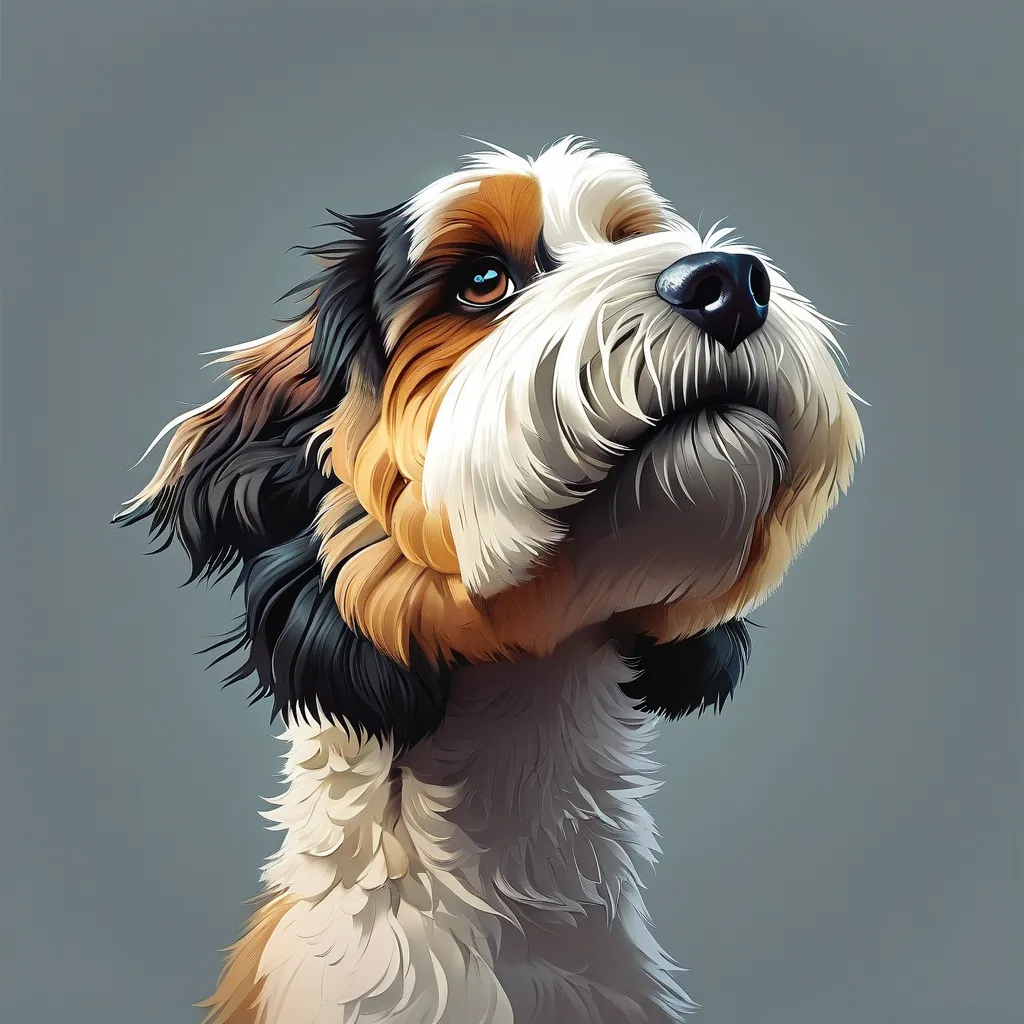
Personality Traits:
- Playful and Energetic: Pomskies have high energy levels. They were bred from active Huskies and inherit their love for play and activity. Daily exercise and mental stimulation are crucial to prevent boredom and destructive behavior.
- Intelligent and Quick-Minded: Thanks to the Husky lineage, Pomskies are intelligent and learn quickly, but they can also be independent thinkers who might decide when to obey, especially if they sense a command doesn’t align with their own desires.
- Social and Affectionate: They are typically very social dogs, thriving on human companionship. Pomskies often form strong bonds with their families and enjoy being involved in daily activities. They are generally good with families who provide consistent attention.
- Vocal: Like Huskies, Pomskies can be vocal and enjoy barking to announce visitors, respond to commands (“speak”), or express excitement. This is a trait to manage early if excessive barking is a concern.
- Alert and Watchful: Their Husky ancestry gives them a natural guarding instinct and alertness, making them good at noticing things and alerting their families to potential happenings.
- Require Socialization: Early and ongoing socialization is vital to ensure they develop into well-rounded dogs comfortable around people, other pets, and various environments. This helps prevent potential shyness or fearfulness.
Living Environment: Pomskies adapt reasonably well to various living situations, including apartments, as long as they receive sufficient exercise. However, they need space to move around and play indoors. They are not suited for a sedentary lifestyle. They thrive in homes where they are integral family members and receive plenty of attention. Their size makes them suitable for smaller homes, but their energy level requires consideration.
Caring for Your Pomsky: Health, Training, and Grooming
Welcoming a Pomsky into your life is a rewarding experience, but it comes with specific responsibilities. Understanding their care needs, particularly regarding health, training, and grooming, is essential for ensuring they live a happy and healthy life.
Health Considerations
As a relatively new breed, comprehensive health data for Pomskies is still limited. However, they are generally considered a healthy breed. Potential health issues can arise from their parent breeds or from irresponsible breeding practices. Prospective owners should inquire about the breeder’s health testing protocols.
Potential health concerns to be aware of include:
- Husky Traits: Susceptibility to hip dysplasia (a joint disorder), eye problems (like Progressive Retinal Atrophy – PRA), and potentially hypothyroidism.
- Pomeranian Traits: Potential for luxating patellas (knee dislocation), dental issues, and eye problems (like lens luxation).
Responsible breeders typically conduct health screenings on their parent dogs for conditions common to both Pomeranians and Huskies. Ask for documentation if possible. Regular veterinary check-ups are crucial for maintaining your Pomsky’s health. Because the breed is relatively new, owners should be vigilant about monitoring their dog’s health and reporting any issues to the breeder and veterinarian.
Training and Exercise
Pomskies are intelligent and eager to please, making them generally receptive to training. However, their independent streak, inherited from the Husky, means they respond best to positive reinforcement techniques – praise, treats, and play, rather than harsh punishment.
Exercise Needs: Despite their small size, Pomskies need regular physical activity. Daily walks (aim for at least 30-60 minutes), playtime, and opportunities