Ultimate Guide to Blue Merle Pomsky: Everything You Need to Know
Welcome, dog lovers and aspiring owners, to your comprehensive resource on one of the most captivating and sought-after canines in the modern world: the Blue Merle Pomsky. If you’ve been searching for “blue merle pomsky information,” you’ve come to the right place. This enchanting hybrid breed, a delightful cross between the majestic Siberian Husky and the fluffy-faced Pomeranian, has quickly stolen the hearts of many. Known for its striking coat patterns and energetic personality, the Blue Merle variant stands out even among Pomskies. In this guide, we will delve deep into the world of the Blue Merle Pomsky, exploring its origins, distinctive appearance, temperament, care requirements, health considerations, and what potential ownership entails. Whether you’re a seasoned dog enthusiast or simply captivated by this unique blend of Husky and Pomeranian charm, read on to uncover everything there is to know about this magnificent hybrid.
Unveiling the Blue Merle Coat: Appearance and Genetics
The most immediately recognizable feature of the Blue Merle Pomsky is, undoubtedly, its coat. This pattern is a product of specific genetic combinations, resulting in a visually stunning appearance that often draws admiration. Understanding the genetics behind the Blue Merle coat can enhance your appreciation for this unique variation.
The Merle Gene Explained: The “Merle” pattern is a coat color modifier gene. When present, it creates a marbled effect where solid-colored areas are overlaid with patches of diluted color, typically creating a striking contrast. In the case of a Blue Merle Pomsky, the base coat is usually a dilution of the sable or black base, resulting in patches of blue-gray, often with black markings. The characteristic feature of the merle pattern is the presence of maskings – irregular patches of color that interrupt the solid base color.
Blue Merle Specifics: A true Blue Merle coat typically features a base color that is a dilution of black, appearing as a slate blue or grayish-blue. This blue color is then overlaid with patches of black, creating the distinctive merle pattern. White patches are also common in many merle variations, adding to the dog’s unique look. The eyes of a Blue Merle Pomsky often complement the coat, frequently being strikingly blue or heterochromatic (two different colored eyes, often blue and brown).
Genetic Rarity and Relevance: It’s important to note the genetic aspect mentioned in the reference information. The statement “Blue and lavender puppies are the genetic equivalent of unicorns, due to the recessive genes not being present in many dogs.” is particularly pertinent here. The merle pattern, especially the blue merle, requires specific genes. Crucially, the merle gene is often recessive. This means a dog must inherit one copy of the merle gene from each parent (making it heterozygous, Mm) to express the merle pattern. If a dog inherits two copies (MM), it is homozygous merle, which can sometimes lead to health issues, particularly eye and hearing problems. Breeding two merle dogs carries risks, which responsible breeders must navigate carefully. This genetic complexity explains why finding a purebred Blue Merle Pomsky (meaning both parents carry the merle gene) might be less common than other color variations, contributing to their allure and sometimes higher price point. Responsible breeding practices prioritize the health and well-being of the puppies over purely aesthetic outcomes.
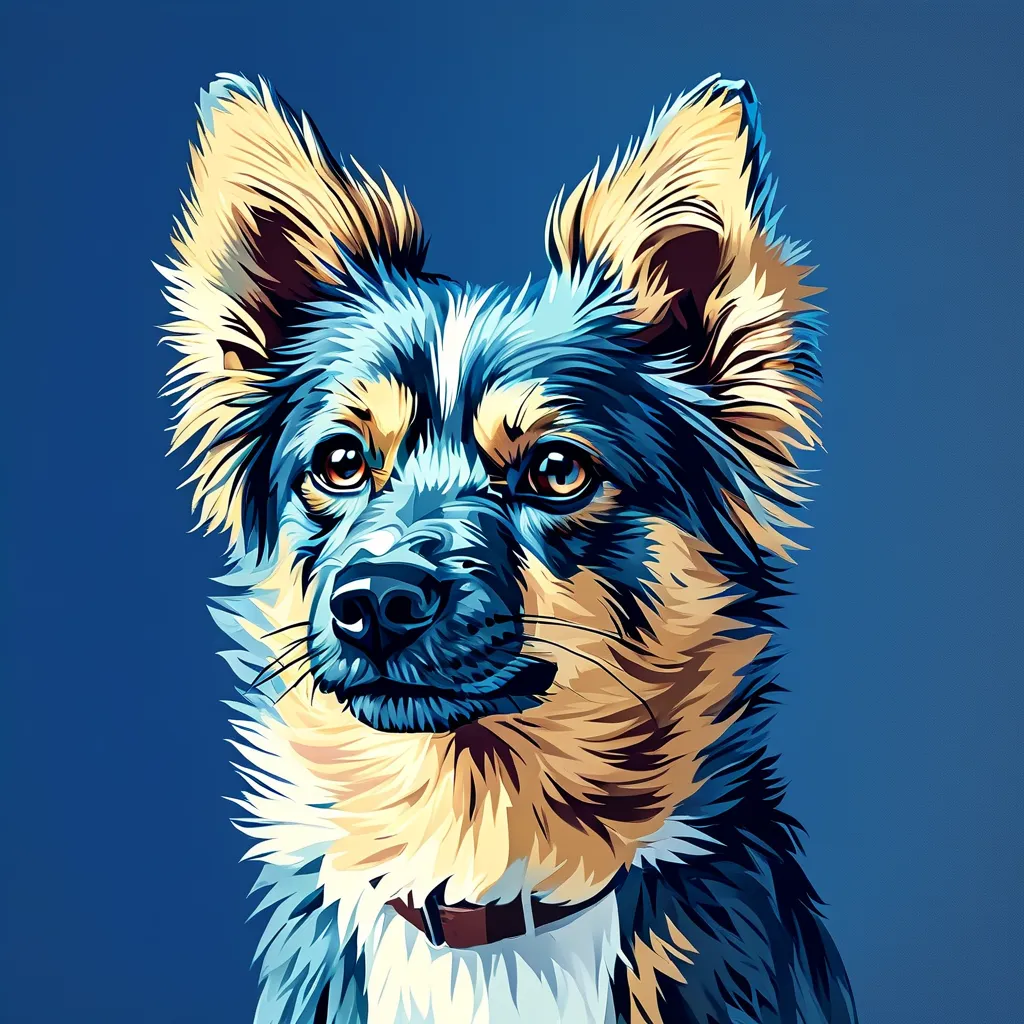 Insert a high-quality photo of a Blue Merle Pomsky here, showcasing its coat pattern and features.
Beyond the Coat: Health, Temperament, and Care
While the stunning coat is a major draw, understanding the overall health, temperament, and care needs of the Blue Merle Pomsky is crucial for a fulfilling and responsible ownership experience. Although the breed is relatively new, responsible breeding practices are becoming increasingly important.
Health Considerations
Pomskies, like many newer breeds resulting from crosses, may inherit health predispositions from their parent breeds: the Siberian Husky and the Pomeranian.
Potential Genetic Issues: Potential health concerns could include those associated with Pomeranians, such as luxating patellas (knee dislocation), eye problems (like Progressive Retinal Atrophy or cataracts), and dental issues due to their small mouths. Huskies might bring a predisposition to certain hip/waist issues (though often less severe than in larger breeds), or potentially specific eye conditions common to the breed. Discover Pomsky Pictures & Informational Guide
Importance of Responsible Breeding: As with any breed, especially one involving a merle pattern which has specific genetic implications, sourcing your Pomsky from a reputable breeder who conducts thorough health clearances on their breeding dogs is paramount. Ask for documentation on health tests performed on the parents, such as OFA (Orthopedic Foundation for Animals) certifications for hips and knees, and eye clearance certificates. This diligence helps minimize the risk of inherited health problems.
General Vigilance: Regular veterinary check-ups, preventative care (vaccinations, parasite control), and monitoring your dog’s behavior and physical condition are essential for maintaining its health throughout its expected lifespan of 12-15 years. Unlock the Secrets to a Longer Pomsky Life
Ultimate Guide to Pomsky Lifespan and Health
Cracking the Code: Pomsky Lifespan Insights
Temperament and Personality
The Pomsky temperament is a fascinating blend inherited from its Husky and Pomeranian parents.
Energetic and Playful: As mentioned, Pomskies are known for being highly energetic and playful. They possess a youthful exuberance and love engaging in activities with their human companions.
Intelligence and Confidence: Their high intelligence makes them quick learners, but also means they require consistent training and mental stimulation. They are confident dogs, often displaying a degree of independence or willfulness, which can be channeled positively with firm, positive reinforcement-based training.
Loyalty and Social Needs: Despite their confident nature, Pomskies are also deeply loyal and form strong bonds with their families. They thrive on human interaction and can be prone to separation anxiety if left alone for long periods. They generally get along well with children and other pets if socialized early, but their Husky lineage means they can sometimes have a “wolf-like” independent streak. Here are some title options:
1. Adorable Micro Teacup Pomsky: Tiny Luxury Companion for Every Home
2. Meet the Micro Teacup Pomsky: A Pocket-Sized Wonder of the World
3. Teacup Pomsky Info & Commercial Guide: Your Pocket-Sized Dream Dog
4. Size Matters: Discover the Micro Teacup Pomsky Breed
5. Micro Teacup Pomsky: Info You Need to Know + Commercial
Insert a photo showcasing the energetic and playful nature of a Pomsky.
Exercise, Training, and Grooming Needs
To ensure your Blue Merle Pomsky is happy and healthy, understanding their specific needs in these areas is vital.
Exercise Requirements: Pomskies are an active breed with moderate energy levels. They require regular exercise to burn off energy and prevent boredom. Daily walks, runs, hiking, or access to a secure, large yard are beneficial. They enjoy activities that engage both their minds and bodies, such as dog sports like agility or obedience trials.
Training and Socialization: Early and ongoing socialization is key to raising a well-adjusted Pomsky. Expose them to various people, environments, and other animals from a young age. Training should be consistent, positive, and mentally stimulating. Their intelligence means they enjoy learning tricks and commands, but they can also be easily distracted.
Grooming Needs: The Pomsky’s coat requires regular maintenance. While the specific needs can vary slightly by coat type (e.g., Merle coats might require slightly different care than solid colors), generally, expect:
- Frequent Brushing: To manage shedding, prevent mats, and keep the coat healthy. Daily brushing, especially during heavy shedding seasons, is recommended.
- Bathing: Regular baths as needed, using dog-specific shampoos.
- Dental Care: Regular teeth brushing or the use of dental chews and water additives is crucial due to their small mouths and potential for dental issues.
- Ear Cleaning: Regular cleaning and inspection of ears to prevent infections.
Insert a photo illustrating proper grooming techniques for a Pomsky.
Conclusion: Is the Blue Merle Pomsky Right for You?
The Blue Merle Pomsky is truly a breed that captures the imagination with its unique appearance and endearing personality. Its coat, a captivating blend of blue, black, and often white patches, is the result of specific genetics that adds to its mystique. Beyond the aesthetics, owning a Pomsky means welcoming an energetic, intelligent, and loyal companion into your life.
Before bringing a Blue Merle Pomsky puppy into your home, carefully consider the responsibilities involved. You’ll need to provide ample exercise, mental stimulation, and consistent training. Commitment to their health, through responsible breeding practices and regular vet care, is essential. Grooming requires dedication, and their need for human companionship means they are not ideal for extreme long-term solitude.
If you