What is a Pomsky Puppy? Adorable New Hybrid Breed Mix-Up
Imagine a creature with the striking blue eyes and fluffy coat of a Siberian Husky, yet with the compact size and alert nature of a Pomeranian. That adorable combination is the Pomsky puppy, a relatively new star in the world of canine companionship. But what exactly is a Pomsky puppy? Are they a recognized breed, or just a trendy designer dog mix? This article delves into the fascinating world of the Pomsky, exploring their origins, appearance, temperament, and the important considerations before welcoming one of these charming hybrids into your home.
The Pomsky’s Origin Story: A Designer Dog Sensation
The Pomsky breed, while not ancient like some traditional breeds, emerged relatively recently, primarily in North America, around the early 2000s. They are classified as a designer dog, a term used for crossbreeding two distinct purebred dogs to create a new, often sought-after, combination. In the case of the Pomsky, the goal was to combine the best attributes of two popular breeds: the Pomeranian and the Siberian Husky.
The Pomeranian, originating from Germany, is a small terrier known for its feisty personality, dense undercoat fur, and fox-like appearance. They are often described as alert, intelligent, and energetic, despite their small size.
On the other hand, the Siberian Husky, hailing from Russia, is instantly recognizable for its thick coat, blue eyes, and friendly, sometimes mischievous, personality. Huskies are known for their endurance, independence, and distinctive howl. They possess a strong prey drive inherited from their working past.
The initial crosses aimed to produce a smaller version of the Husky, leveraging the Pomeranian’s size and energy with the Husky’s coat and character. Breeders focused on pairing Pomeranians and Huskies specifically to achieve the desired Pomsky traits. It’s important to note that the Pomsky is not considered a “natural” breed; it’s a human-created hybrid resulting from intentional crossbreeding.
While the initial crosses involved direct Pomeranian x Husky pairings, the breed’s development often involved further mixing, sometimes incorporating other small spitz breeds or even, occasionally, Weimaraners. This can sometimes lead to variation in appearance and temperament within the Pomsky population. However, the ideal Pomsky is still generally understood to be a mix predominantly of these two foundational breeds.
The appeal of the Pomsky lies in its novelty and the perceived benefits of a designer dog: potentially fewer health issues than two purebred dogs with vastly different genetic backgrounds, a unique and charming appearance, and a blend of desirable traits from both parents.
What Does a Pomsky Puppy Look Like? Appearance and Size
Pomsky puppies are undeniably adorable, and their looks are one of their most endearing qualities. While they are still relatively young as a breed standard is evolving, certain physical characteristics are commonly associated with the Pomsky lineage. Pomsky Pictures & Information: A Complete Guide and Gallery
Size: One of the primary reasons for breeding the Pomsky was to create a smaller Husky. Adult Pomskies typically fall on the smaller side compared to a full-grown Husky. Males usually stand between 14-17 inches (35-43 cm) at the shoulder and weigh between 15-30 pounds (7-14 kg). Females are generally slightly smaller, typically ranging from 12-16 inches (30-40 cm) and weighing 10-20 pounds (4.5-9 kg). However, size can vary based on the specific lineage and genetics inherited from the Pomeranian or Husky side.
Fur and Coat: The Pomsky is perhaps most famous for its unique coat. They inherit the double coat structure typical of both parent breeds. The outer coat is usually longer and coarser, while the undercoat is soft, dense, and insulating. Color variations are common, often including white, black, grey, silver, brown, cream, and parti-color (patches of color). The most sought-after colors often mimic Husky markings, like brindle, or classic Pomeranian colors like orange or cream.
Pomsky puppies are often described as having a “doll-like” appearance. They possess large, expressive eyes, which can be blue, brown, or heterochromatic (two different colored eyes). Their ears are typically large and erect, similar to the Pomeranian’s, though sometimes they droop slightly in the Husky influence. Their tails, or “pom-poms,” are usually carried straight up or curled slightly at the tip, a trait clearly borrowed from the Pomeranian. These fluffy pom-poms are a hallmark feature of the breed.
It’s crucial to understand that Pomsky puppies look different as they mature. They are known for retaining a “puppy-like” appearance well into adulthood, which is a trait highlighted in their breeding. Their fluffiness tends to remain prominent throughout their lives, contributing to their popular appeal. Ultimate Guide to the Pomsky Husky: Info on This Popular Designer Dog
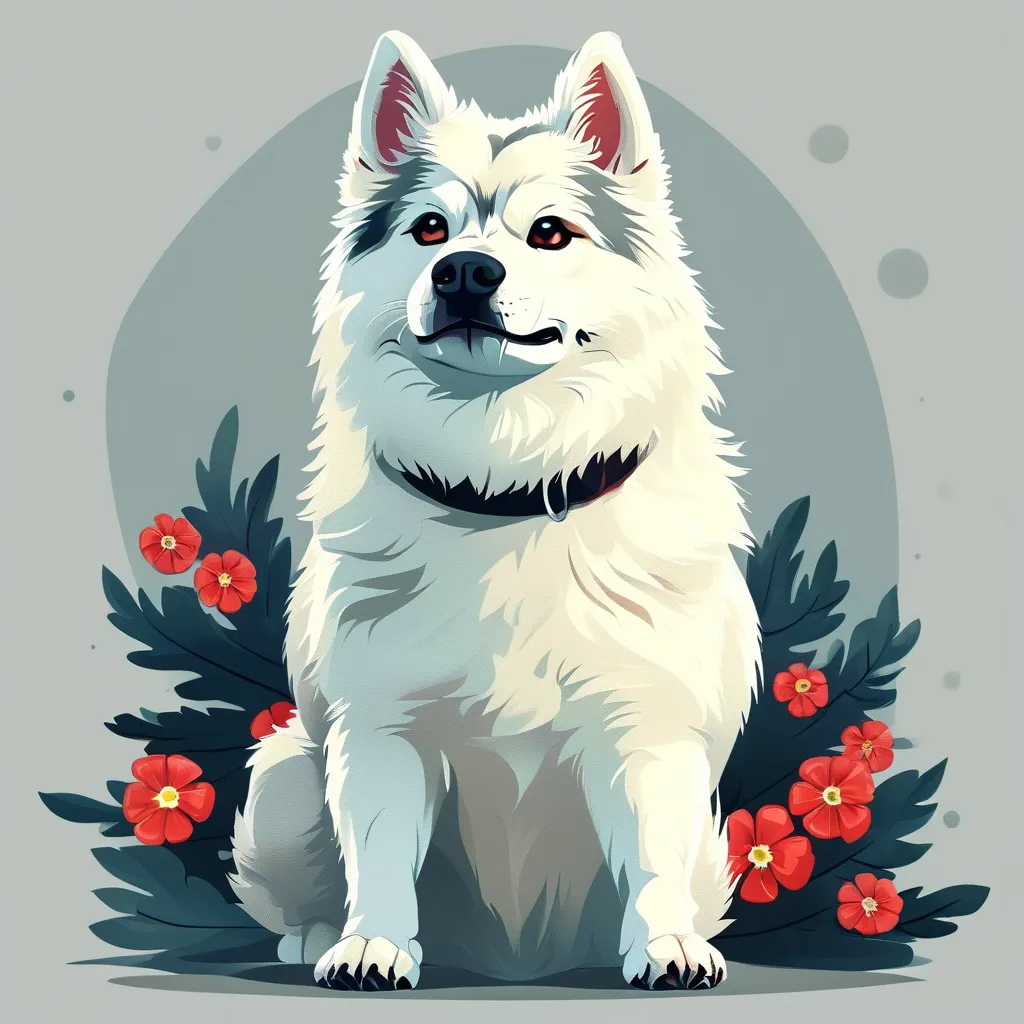
Training and Temperament: Despite their cute looks, Pomskies inherit the intelligence of both their parents. They are generally intelligent and eager to please, making them relatively trainable. However, they also inherit the independent streak of the Husky and the vocal nature of both breeds. Socialization from a young age is essential to ensure they grow into well-adjusted dogs. Their high energy levels mean they need significant mental and physical stimulation.
One common misconception is that Pomskies are lap dogs. While they can be affectionate and enjoy cuddling, they are not typically suited for being left alone on a sofa all day. Their Husky ancestry gives them an instinct for activity and exploration. They thrive on human companionship and require active participation from their owners.
Temperament, Needs, and Considerations for Pomsky Puppy Owners
Understanding the temperament and needs of a Pomsky puppy is vital for responsible ownership. These dogs are a blend of two distinct personalities, resulting in a unique companion with specific requirements. Pomsky Rescue Informational & Commercial Guide: Your Complete Guide
Energy Levels and Exercise: Pomskies are energetic dogs with a strong prey drive inherited from their Husky lineage. They require substantial daily exercise, not just for physical health but also for mental stimulation. A simple walk around the block isn’t sufficient. They need activities like brisk walks, hiking, playdates with other dogs, and engaging puzzle toys to burn off their considerable energy. Without adequate exercise and mental engagement, Pomskies can become bored and develop destructive chewing habits or excessive barking.
Intelligence and Training: Thanks to their intelligent Pomeranian and Husky ancestry, Pomskies are quick learners. They excel in training and enjoy problem-solving activities. However, their independent nature means they can also be stubborn at times. Consistent, positive reinforcement training methods work best. Early and ongoing socialization is critical to help them get along with people, other pets, and various environments. They are generally good with children if introduced properly, but their small size means young children should be taught gentle handling.
Grooming Requirements: The Pomsky’s coat is one of their most defining features, but it also requires significant grooming commitment. Their double coat sheds profusely year-round, especially during seasonal coat blowouts. Regular brushing, several times a week, is essential to prevent mats and tangles and to manage shedding. Professional grooming every few months is recommended to maintain coat health and manage potential skin issues associated with thick coats.
Health Considerations: As a relatively new hybrid breed, comprehensive health data is still being collected. However, Pomskies can inherit health issues from both parent breeds. Potential concerns include hip dysplasia, eye problems (like Progressive Retinal Atrophy), dental issues, tracheal collapse (more common in smaller breeds like Pomeranians), and hypothyroidism. Responsible breeders perform health clearances on their breeding stock. Prospective owners should inquire about the health testing practices of the breeder and be prepared for potential veterinary costs associated with these conditions.
Vocalization: Both Pomeranians and Siberian Huskies are vocal breeds. Pomskies often inherit this trait and can be prone to barking, howling, and whining. They may howl at certain sounds, which is a natural behavior for Huskies, or bark to alert their owners. While not excessively loud compared to some breeds, their vocal nature should be considered, especially if you live in a close-quarters environment.
Conclusion: Is a Pomsky Puppy Right for You?
The Pomsky puppy is a captivating hybrid breed, born from the creative crossbreeding of a Pomeranian and a Siberian Husky. Their unique appearance, characterized by fluffy coats, expressive eyes, and often contrasting markings, has certainly captured the hearts of many dog lovers worldwide. They offer a blend of intelligence, playfulness, and loyalty, making them potentially wonderful companions for the right family.
However, owning a Pom