Pomsky Rescue Informational & Commercial Guide: Your Complete Guide
Welcome to this comprehensive guide on Pomsky rescue. The Pomsky, a relatively new entrant to the canine world but quickly rising in popularity, is a crossbreed between a Pomeranian and a Siberian Husky. Known for their fluffy coats, big expressive eyes, and energetic personalities, these delightful dogs often become the center of their owners’ lives. However, owning a Pomsky comes with responsibilities, and unfortunately, like many purebred dogs, they can sometimes end up in shelters needing homes. This guide will delve into everything you need to know about Poms, why rescue is a rewarding choice, and how you can find your potential new companion through legitimate rescue channels.
Understanding the Pomsky: A Designer Breed Overview
Before embarking on the journey of rescuing a Pomsky, it’s essential to have a solid understanding of the breed itself. The Pomsky is a **designer dog**, meaning it’s a crossbreed created by intentionally crossing two different purebred parent breeds.
Parent Breeds:
- Pomeranian: A small, toy breed originating from Germany. Pomeranians are known for their alert and intelligent nature, playful and sometimes mischievous personality, and dense, fluffy double coat.
- Siberian Husky: A larger, working breed from Russia. Huskies are energetic, friendly, independent, and known for their striking blue eyes and thick, weather-resistant coat. They have a strong prey drive and require experienced handling.
This unique combination results in a dog that typically inherits traits from both parents, creating a breed with a distinctive character.
Physical Appearance: Pomsky puppies inherit the signature fluffy coat from the Pomeranian side and the color variations and potential eye colors (like blue) from the Husky. Their coat texture is often described as soft and wavy. Their size can vary significantly, depending on which parent traits dominate, ranging from small (10-15 pounds) to medium (15-25 pounds), shedding levels vary, but they generally require regular grooming.
Temperament: The Pomsky temperament is a blend of its parent breeds. Generally, they are known to be:
- Intelligent and Energetic: Inheriting the Husky’s energy and the Pomeranian’s intelligence, Poms require mental stimulation and regular exercise.
- Social and Affectionate: They often inherit the Pomeranian’s desire to be part of the family and crave companionship.
- Playful and Mischievous: Pomeranian traits like playfulness and potential for mischief are common.
- Alert and Vocal: Like Huskies, they can be alert and may bark to announce visitors or interesting sounds.
- Independent: The Husky’s independent nature means they aren’t always eager to please, requiring patience and consistent training.
It’s crucial to understand that individual Pomskies can vary significantly in temperament. Responsible breeders or rescues will provide information about the specific dog’s background and personality traits.
The Case for Pomsky Rescue: Ethical Ownership and Finding the Perfect Companion
Choosing to adopt a Pomsky from a rescue organization is a commendable decision with numerous benefits. It’s important to approach Pomsky rescue with responsibility and awareness of the potential challenges. Here are some title options:
1. Adorable Micro Teacup Pomsky: Tiny Luxury Companion for Every Home
2. Meet the Micro Teacup Pomsky: A Pocket-Sized Wonder of the World
3. Teacup Pomsky Info & Commercial Guide: Your Pocket-Sized Dream Dog
4. Size Matters: Discover the Micro Teacup Pomsky Breed
5. Micro Teacup Pomsky: Info You Need to Know + Commercial
Why Choose a Rescue Pomsky?
- Second Chance at Life: Rescue dogs are saved from potentially harsh living conditions or neglect. By adopting, you’re providing them with a loving home and a second chance.
- Unique Personalities: Rescue organizations often have dogs with varying temperaments, ages, and backgrounds. You might find a mature, calmer companion or an energetic young puppy whose needs align perfectly with yours.
- Health and Temperament Nuances: Reputable rescues perform health screenings and provide detailed history, helping you understand any potential health issues or specific needs the dog might have.
- Ethical Choice: Supporting rescues promotes ethical pet ownership and discourages the purchase of dogs from puppy mills or irresponsible breeders, which can sometimes prioritize profit over the dogs’ welfare.
Considerations for Potential Pomsky Owners:
While rescuing is wonderful, owning a Pomsky requires commitment. These dogs are a mix of two active breeds and generally need:
- Regular Exercise: Daily walks, playtime, and mental stimulation are essential to prevent boredom and destructive behavior.
- Training and Socialization: Consistent, positive reinforcement training and early socialization are crucial, especially given their independent Husky lineage.
- Grooming: Their unique coat requires regular brushing to prevent mats, especially given their fluffy nature.
- Time and Attention: Poms thrive on family interaction and can suffer from separation anxiety if left alone for long periods.
- Experience: Be prepared to handle a potentially strong-willed dog, as they require experienced owners who understand their needs.
Rescue organizations are usually very transparent about a dog’s specific needs and history, helping you determine if they are the right fit for your lifestyle.
Navigating Pomsky Rescue: Steps to Finding Your Companion
Locating the right Pomsky rescue involves knowing where to look and understanding the process involved. It’s vital to approach this search carefully to ensure the dog’s well-being and find a compatible match. Brown Pomsky Commercial: Your Guide to This Unique Hybrid Breed (Informational & Ad Focus)
Where to Look for Pomsky Rescues: Here are several options for attractive article titles including the keyword “Pomskies puppies Informational, Commercial”:
1. **Ultimate Pomsky Puppy Guide: Info & Commercial Insights**
2. **Adorable Pomsky Puppies: Info & Commercial Buying Guide**
3. **Pomsky Puppy Info & Commercial Tips: Your Complete Guide**
4. **The Ultimate Pomsky Guide: Info Meets Commercial Appeal**
5. **Pomsky Puppies: Info
Pomskies are a relatively recent creation, so dedicated Pomsky-specific rescues are still emerging. Your primary avenues should be:
- General Animal Shelters and Animal Control: While less common than older breeds, Poms might occasionally be found here if they were surrendered or stray. Staff can provide information on available mixed breed dogs.
- National and Local Breed-Specific Rescue Organizations: Search online for “[Your State/City] Pomsky Rescue” or “[Your State/City] Pomeranian Rescue” or “[Your State/City] Husky Rescue”. Reputable rescues often specialize in breeds that may be less common or have higher shelter intake.
- Online Platforms:
- Fairfax County Pet Connect: A resource for finding adoptable pets in specific areas.
- Animal Sheltering.org: A national directory of animal shelters.
- Rescue Groups on Social Media: Facebook groups dedicated to rescues or specific breeds can sometimes list available dogs.
Evaluating Rescue Organizations:
Not all rescues are created equal. Before committing, investigate the organization:
- Reputation: Check reviews on their website, social media, and independent review sites. Look for transparency and positive testimonials.
- Vetting Process: Reputable rescues have a thorough application and screening process to ensure the right home for their dogs.
- Meet the Dog(s): Visit the rescue facility if possible. Spend time with the Pomsky you’re interested in. Observe their temperament and interaction with you and other dogs/humans.
- Questions: Ask about the dog’s history, health screenings performed, potential temperament issues, training provided, and ongoing support offered.
The Adoption Process:
Adopting a Pomsky from a rescue typically involves several steps:
- Application: Fill out an adoption application detailing your lifestyle, experience, and reasons for wanting a Pomsky.
- Interview: You may have an interview with the rescue representative and potentially meet the dog again.
- Home Visit (Sometimes): Larger rescues might conduct a home visit to ensure the environment is suitable.
- Contract and Fees: Adoption involves signing a contract and paying an adoption fee, which typically covers veterinary care (spay/neuter, shots, microchip), handling, and support.
Remember, the rescue organization remains a resource even after adoption, so maintain contact if you encounter challenges.
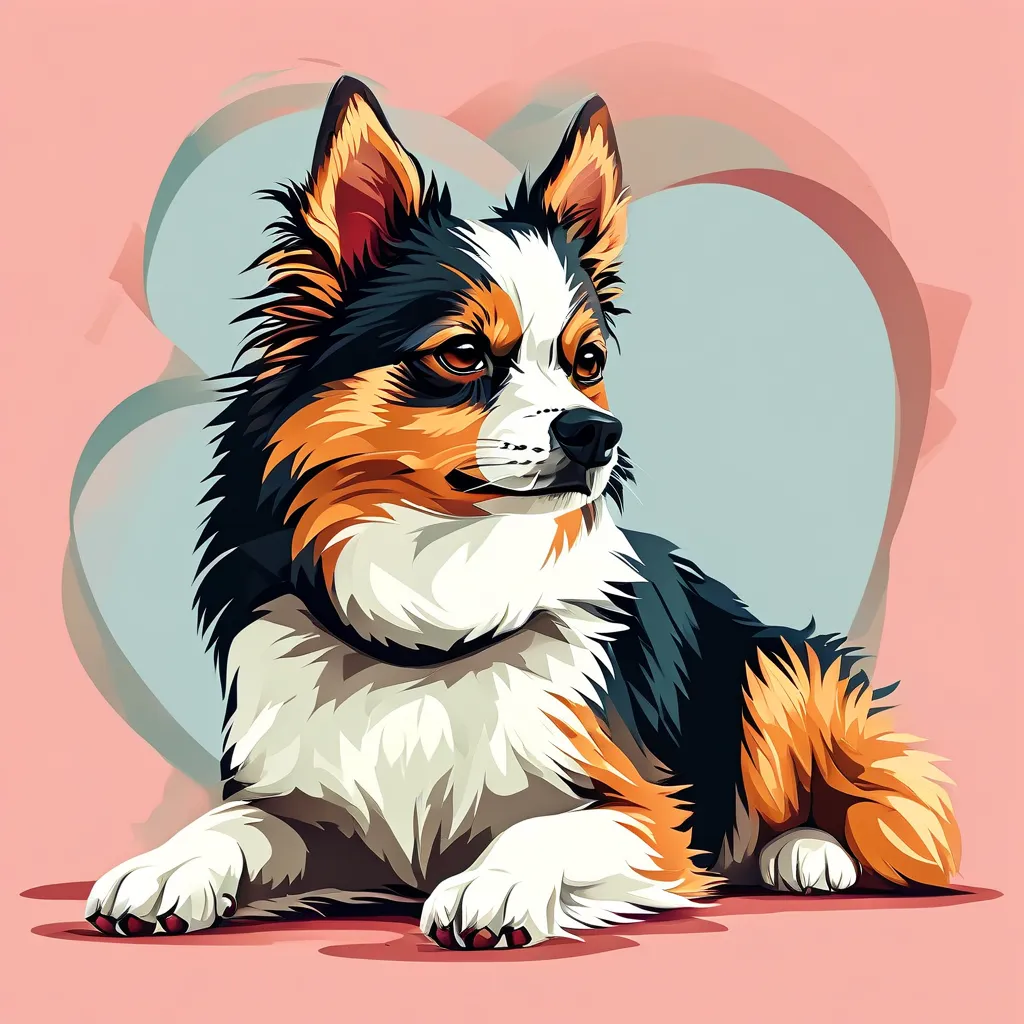 – *Photo of a happy Pomsky interacting with