What to Expect with a Pomsky German Shepherd Husky Mix Puppy: A Comprehensive Guide
Welcome to the wonderful world of the Pomsky German Shepherd Husky mix puppy, affectionately known as the Gerberian Shepsky! This enchanting hybrid has rapidly captured the hearts of dog lovers worldwide, thanks to its unique blend of fluffy charm and intelligent expression. If you’re considering welcoming one of these captivating canines into your home, you’re embarking on an exciting journey filled with potential joys and challenges. This comprehensive guide delves deep into what you can realistically expect, covering their origins, physical traits, personality, training needs, care requirements, and long-term commitment. Understanding these aspects is crucial for setting yourself and your new companion up for a fulfilling partnership.
Understanding the Pomsky German Shepherd Husky Mix: Origins and Characteristics
The Pomsky German Shepherd Husky mix, or Gerberian Shepsky, is a relatively recent addition to the designer dog scene. This breed originated in North America, likely through the careful breeding of a Pomeranian with a German Shepherd, with Siberian Husky traits sometimes subtly influencing the lineage or contributing to the specific litter’s characteristics. The primary goal behind creating this mix was often to combine the fluffiness and alertness of the Pomeranian with the loyalty and intelligence of the German Shepherd, potentially adding the playful independence of the Husky.
As highlighted in various dog enthusiast circles, this hybrid is the ideal balance of two highly intelligent and regal looking pure breeds. They inherit a unique combination of looks and likely a complex temperament. While often described as smart, high-energy dogs needing lots of activity to keep them happy, their specific traits can vary based on the exact genetic contribution from each parent breed. Each litter typically produces 6-8 adorably fluffy puppies, each of which may exhibit slightly different combinations of physical and behavioral characteristics.
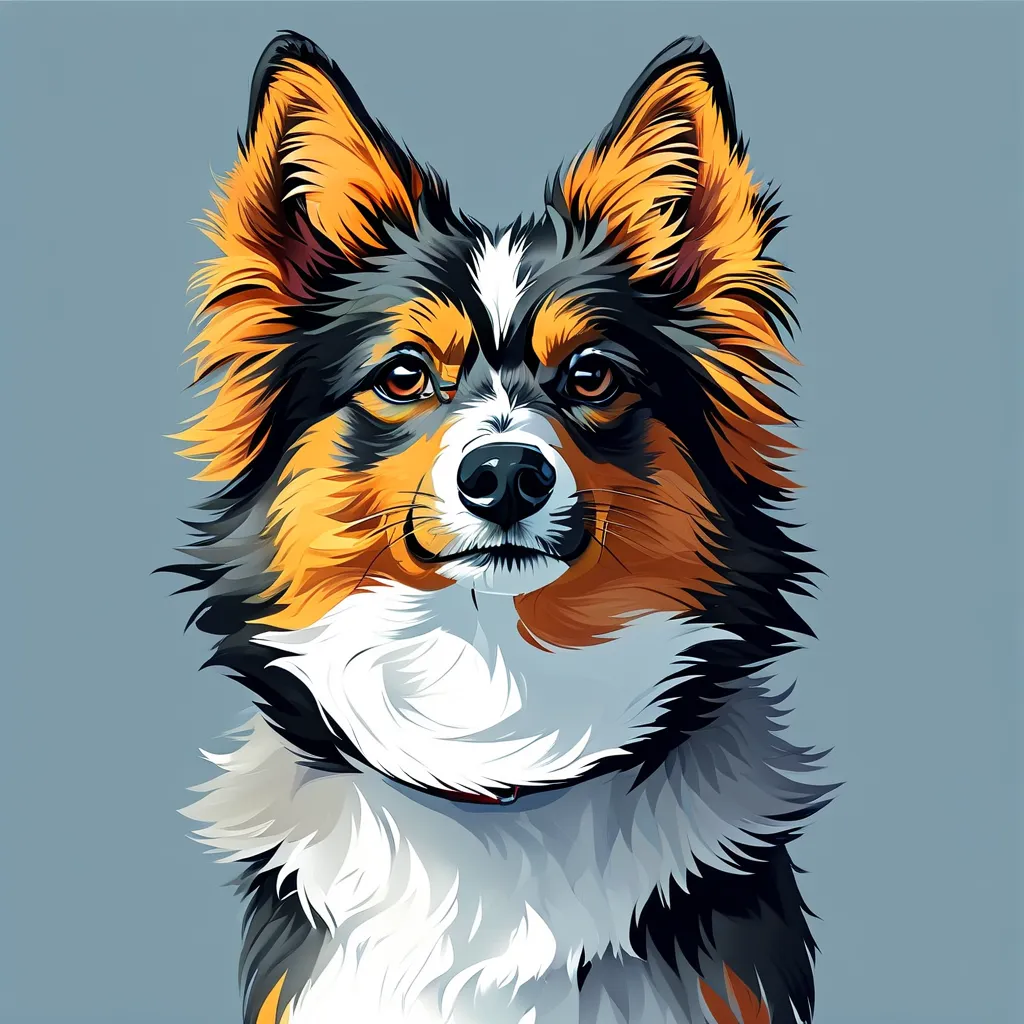
One of the most striking features of a Pomsky German Shepherd Husky mix puppy is their appearance. You should expect an unpredictable dog who might get all the worst parts of both breeds, but often, the best! They frequently possess a strong snout characteristic of German Shepherds and Siberian Huskies, combined with the expressive, often elfin-like eyes of a Pomeranian or Husky. Their face often sports a wolf-like appearance, contributing to their regal and sometimes intimidating look, although their playful nature usually softens this effect. The coat is a major drawcard, typically inheriting the dense undercoat and fluffy topcoat from the Pomeranian parent, resulting in a shaggy, teddy-bear-like appearance that requires regular grooming.
Physical Appearance: A Fluffy and Varied Package
The German Shepherd Husky mix puppy is undeniably a sight to behold, primarily due to their distinctive coat. A Pomsky German Shepherd Husky mix puppy typically inherits the dense double coat from its Pomeranian lineage, ensuring excellent insulation and a plush appearance. This coat comes in a wide array of colors and markings, including white, black, brown (sable, bi-color, black and tan), grey, cream, and parti-color patterns. Their size usually falls within a moderate range, typically weighing between 30 to 60 pounds and standing 14 to 20 inches tall at the shoulder, though this can vary.
Physically, these mixes often display a combination of features from their parent breeds. A strong, somewhat wedge-shaped head is common, reminiscent of the German Shepherd, while the ears might be erect like a German Shepherd or German Shepherd Husky mix, or perhaps more rounded and capped, similar to a Pomeranian or Husky, depending on the genetic influence. Their eyes are often large and expressive, capable of being brown, blue, or heterochromatic (two different colored eyes), adding to their unique charm. Their body structure tends to be sturdy yet agile, built for an active life.
Their coat requires significant maintenance. While shedding can be moderate to heavy year-round, regular brushing is essential to prevent mats and tangles, particularly around the legs, chest, and base of the tail. Professional grooming, including blow-drying and potentially clipping, may be necessary several times a year, especially during peak shedding seasons. [IMAGE_PLACEHOLDER: A close-up photo of a Pomsky German Shepherd Husky mix puppy showing its fluffy coat and expressive eyes.] Brown Pomsky Commercial: Your Guide to This Unique Hybrid Breed (Informational & Ad Focus)
Temperament and Personality: A Complex Combination
One of the most crucial aspects of owning any dog is understanding its temperament. The Pomsky German Shepherd Husky mix inherits traits from three distinct breeds, leading to a personality that can be quite complex and sometimes challenging to predict. They are generally known to be highly intelligent, which is a positive trait for training but also means they can become bored easily if not mentally stimulated.
The German Shepherd influence often brings loyalty, protectiveness, and a degree of seriousness, sometimes even alertness or guarding instincts, although this can be overshadowed by their playful nature. The Husky contribution typically includes independence, a bit of a mischievous streak, and a strong desire for mental engagement – they were originally bred for strenuous work and companionship, not just pure pulling. The Pomeranian impact adds alertness, a playful spirit, and a determined, sometimes stubborn, attitude.
So, what does this mean for you? Expect a dog that is energetic, curious, and vocal. They are not typically lap dogs and thrive on having an outlet for their energy. Socialization from an early age is paramount to ensure they develop into well-adjusted adults comfortable around people and other pets. While intelligent and eager to please, they can also exhibit stubbornness, requiring patience and positive reinforcement training methods. Their high energy levels mean they need substantial daily exercise, not just walks, but play sessions, hikes, or opportunities to run freely in a secure area.
Intelligence combined with potential stubbornness means training requires consistency and clever techniques. They excel in activities that challenge their minds, such as agility, obedience trials, herding trials (often in a modified form), search and rescue simulations, and sledding (if space and climate permit). Early and ongoing socialization is vital to manage potential shyness or fearfulness, especially given their perceived “wolf-like” appearance which can sometimes unsettle unfamiliar people or animals. [IMAGE_PLACEHOLDER: A photo showing a Pomsky German Shepherd Husky mix puppy happily playing with its owner or toys.]
Caring for Your Pomsky German Shepherd Husky Mix: Health, Exercise, and Training
Bringing a Pomsky German Shepherd Husky mix puppy home is a significant commitment that extends beyond just love and affection. Responsible ownership involves understanding their specific care needs, particularly concerning exercise, training, and potential health considerations.
Exercise Needs
These are not couch-potato dogs. Their high energy levels demand substantial daily physical activity. Aim for at least 1.5 to 2 hours of vigorous exercise every day. This includes:
- Long walks (at least two per day)
- Running or fetch in a secure, off-leash area
- Hiking
- Aerobic activities like swimming or cycling (if accompanied by a secure leash)
- Engaging them in mentally stimulating activities like puzzle toys or training sessions
Insufficient exercise can lead to destructive chewing, excessive barking, and behavioral issues. Their intelligence also means they require mental stimulation daily to prevent boredom and potential problem-solving directed towards household items.
Training and Socialization
Training should begin early and focus on positive reinforcement techniques. Reward-based methods work best with these intelligent but sometimes stubborn puppies. Key areas include:
- Basic obedience (sit, stay, come, heel)
- Potty training
- Household rules and boundaries
- Socialization with people of all ages and backgrounds
- Socialization with other dogs and pets
- Exposure to various environments, sounds, and experiences
Because of their potential independence, leadership should be established consistently. Early socialization is critical not only for manners but also for their safety and well-being as they mature. A Gerberian Shepsky that is not properly socialized may become wary or overly reactive in certain situations.
Health Considerations
While generally robust, these mixed breed dogs can inherit health issues from their parent breeds. Common concerns might include hip dysplasia (affecting German Shepherds and Huskies), elbow dysplasia, certain eye problems (like Progressive Retinal Atrophy, potentially linked to Pomeranians), patellar luxation, and potential thyroid issues. Responsible breeding practices by a reputable breeder are essential to minimize genetic risks.
It is crucial to research the specific lineage of the puppy’s parents regarding health clearances. Ask the breeder about health testing performed on the parents. Regular veterinary check-ups