“`html
What is a Pomsky Dog? A Complete Guide to This Designer Breed’s Origins and Info
The term “designer dog” often conjures images of trendy, crossbred canines, and the Pomsky is arguably one of the most popular examples. If you’re asking, “What is a Pomsky dog?”, you’re likely drawn to its unique combination of fluffy fur and striking features. This relatively new breed sensation is a cross between two classic breeds: the Siberian Husky and the Pomeranian. More than just a cute novelty, the Pomsky offers a fascinating blend of characteristics that make it a compelling choice for many dog lovers seeking something different. This guide delves deep into the Pomsky, covering its origins, appearance, temperament, care needs, and whether it might be the right companion for you.
The Pomsky’s Origin Story: A Designer Breed Emerges
The Pomsky didn’t emerge from accidental backyard breeding; its creation was more deliberate. Originating primarily in North America during the late 1990s or early 2000s, the breed was developed by crossing a small Spitz breed with a Husky. While various small breeds were experimented with, the Pomeranian ultimately became the foundation for what we now know as the Pomsky.
The goal of the breeders was to combine the distinctive looks of the Pomeranian – specifically its small size, fluffy double coat, and teddy bear appearance – with the warm temperament, intelligence, and energetic nature of the Siberian Husky. The result was a dog that was small in stature but possessed a robust personality, often displaying Husky traits like independence and a howl, alongside the Pomeranian’s alertness and eagerness to please.
The exact origins are often shrouded in a bit of mystery, as is common with many newer designer breeds. Early Pomsky breeders aimed to stabilize the genetics to produce puppies consistently displaying Pomsky traits. They focused on pairing Pomeranians and Siberian Huskies with compatible temperaments and physical attributes. It’s believed that the first Pomskies were created in places like Canada or the United States, gaining popularity quickly through social media and word-of-mouth due to their adorable appearance.
What Defines a Pomsky Dog? Appearance and Physical Characteristics
First impressions of a Pomsky are often overwhelmingly positive, thanks to their adorable and often fluffy appearance. While there isn’t a formally recognized Pomsky breed standard (unlike traditional breeds), certain characteristics are generally expected and admired.
Size: As a mix, Pomskies typically fall on the smaller side. Males usually weigh between 10 to 20 pounds (4.5 to 9 kg) and stand 9 to 14 inches (23 to 36 cm) tall at the shoulder. Females are generally smaller, weighing 8 to 15 pounds (3.6 to 7 kg) and standing 8 to 12 inches (20 to 30 cm) tall. This smaller size makes them adaptable to various living situations, including apartments.
Fur and Coat: This is perhaps the most defining feature of the Pomsky. Their coat is typically a double coat, inheriting from both parent breeds. The Pomeranian parent contributes to the fluffy, often “teddy bear” look, while the Husky influence might bring variations in texture and color. Pomskies can have a range of coat colors, often combinations like white, black, grey, orange, cream, or brown. Their fur requires regular grooming to prevent mats and tangles. Expect shedding, particularly during heavy shedding seasons.
Head and Eyes: Pomskies often have expressive eyes, which can be blue, brown, or a mix (heterochromia), a trait sometimes inherited from the Husky. Their head shape is usually small and proportionate to their body, with ears that can be floppy (from the Pomeranian side) or prickly (from the Husky side), though floppy ears are more common in Pomskies.
Morphology: They possess a compact and sturdy body, often with a slightly curved back and a tail that can be straight or naturally curled, similar to the Pomeranian. Their legs are short, contributing to their overall small size.
Temperament: The Pomsky’s Personality Profile
Understanding the Pomsky’s temperament is crucial for potential owners. These dogs inherit traits from both the energetic, independent Siberian Husky and the alert, vocal Pomeranian. The resulting temperament is unique and energetic.
Intelligence and Trainability: Pomskies are highly intelligent dogs, capable of learning quickly. However, their independent streak, possibly from the Husky side, can sometimes make them less eager to please than breeds bred purely for obedience. This intelligence means they are quick learners but also requires mentally stimulating activities to prevent boredom. Consistent, positive reinforcement training methods work best. Early socialization is essential to ensure they grow up well-adjusted and comfortable around different people, animals, and environments. Reputable Pomsky Breeder Informational: A Step-by-Step Guide to Finding the Perfect Puppy
Energy Levels: Despite their small size, Pomskies are highly energetic dogs. They require significant daily exercise and mental engagement. A walk around the block is often not enough; they thrive on playtime, hikes, and opportunities to run off-leash in safe areas. Insufficient exercise can lead to destructive chewing or excessive barking. Their Husky heritage means they have bursts of energy followed by periods of relaxation.
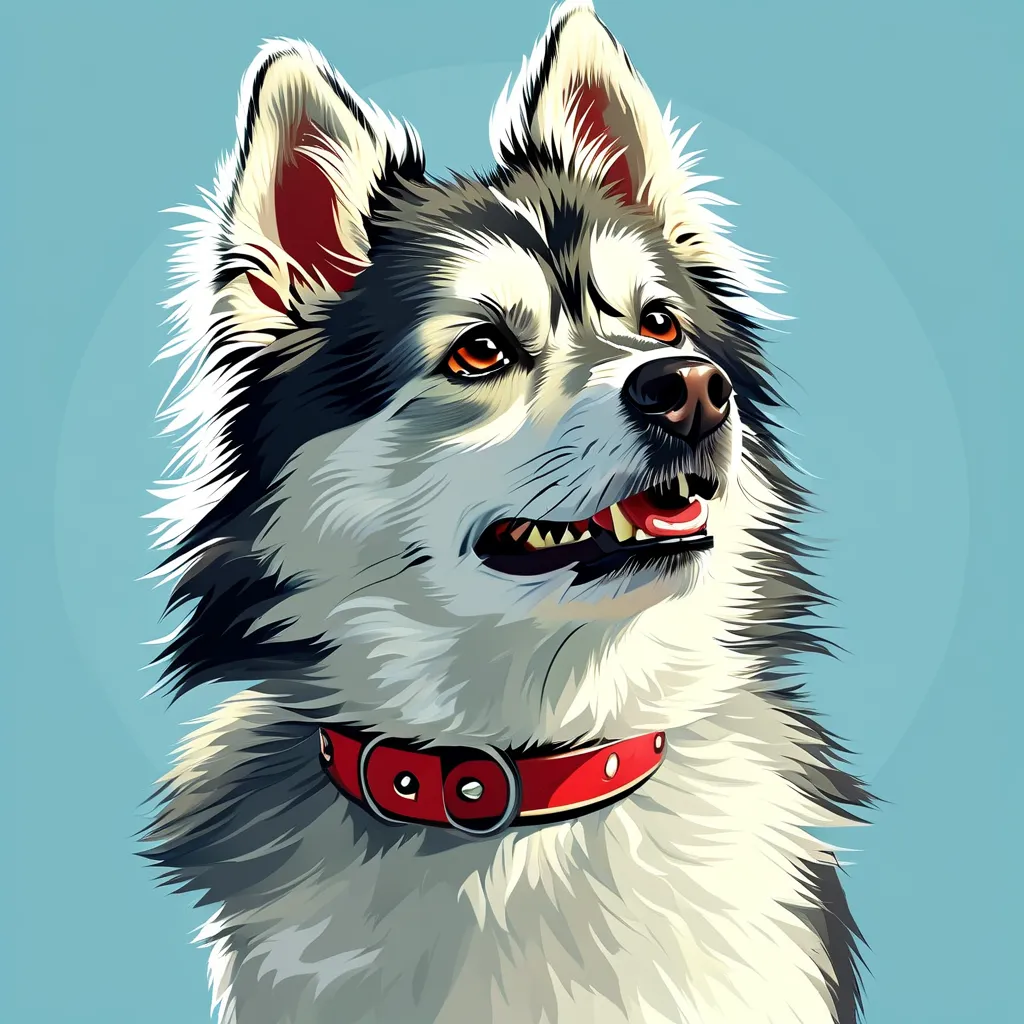 **Unveiling the Pomsky Temperament: An Informative Guide for New Owners**
Social Needs: Pomskies are generally social dogs that form strong bonds with their families. They are not typically suited for being left alone for very long periods, as they can become lonely and develop separation anxiety. Getting along with other pets requires careful introduction and consistent training, especially with the potential for Husky prey drive. Pomsky Price Guide: Decoding the Cost of This Designer Breed
Vocalization: Like Huskies, Pomskies can be vocal. They might howl, yap, or bark, particularly to announce visitors, express excitement, or if they feel anxious or bored. Proper training and ensuring their needs are met can help manage excessive vocalization.
Compatibility: They can be excellent family pets for active households willing to meet their needs. Their small size makes them suitable for families with children (gentle handling is key) and older adults, provided they receive enough exercise and attention. Their alert nature makes them decent guard dogs, though they are not typically aggressive.
Health Considerations for Pomsky Dogs
As a relatively new designer breed, Pomskies don’t have a long history of documented health issues like older, established breeds. However, they inherit potential health problems from their parent breeds, the Siberian Husky and the Pomeranian. Responsible breeding practices are crucial to minimize health risks.
Potential Inherited Conditions:
- Husky Contributions: Potential for hip dysplasia (a joint disorder), eye problems (like cataracts or progressive retinal atrophy), and certain heart conditions.
- Pomeranian Contributions: Susceptibility to tracheal collapse (especially in very small individuals), dental issues (common in small breeds), luxating patellas (knee problems), and potential for allergies.
- General: Like many dogs, they are prone to ear infections if not properly groomed, and obesity can exacerbate many health issues.
Longevity: Pomskies generally have a healthy lifespan, typically ranging from 12 to 15 years. Factors like genetics, diet, exercise, and veterinary care play significant roles in determining how long a Pomsky will live.
Finding Reputable Breeders: Prospective owners should prioritize finding a responsible Pomsky breeder who performs health clearances on their breeding stock. Ask about the health history of the parents and inquire about the breeder’s screening processes for potential genetic issues.
Caring for Your Pomsky: Grooming, Exercise, and Nutrition
Proper care is essential for keeping your Pomsky happy, healthy, and looking their best. Their unique blend of traits requires attention to specific needs.
Grooming Needs: Pomskies have a double coat that requires regular maintenance. Brushing should be done multiple times a week, ideally daily, to remove loose hair, prevent mats, and distribute natural oils. Professional grooming sessions every 4-6 weeks are recommended for trimming, nail filing, and ear cleaning. Their facial fur (often called a “frill”) needs particular attention. Regular eye cleaning is also important. Their small size doesn’t mean they shed less; expect regular vacuuming and potentially using a lint remover on clothing.
Exercise Requirements: Don’t underestimate the energy level of a Pomsky! They need at least 1-2 hours of vigorous exercise daily. This includes brisk walks, playtime, and opportunities